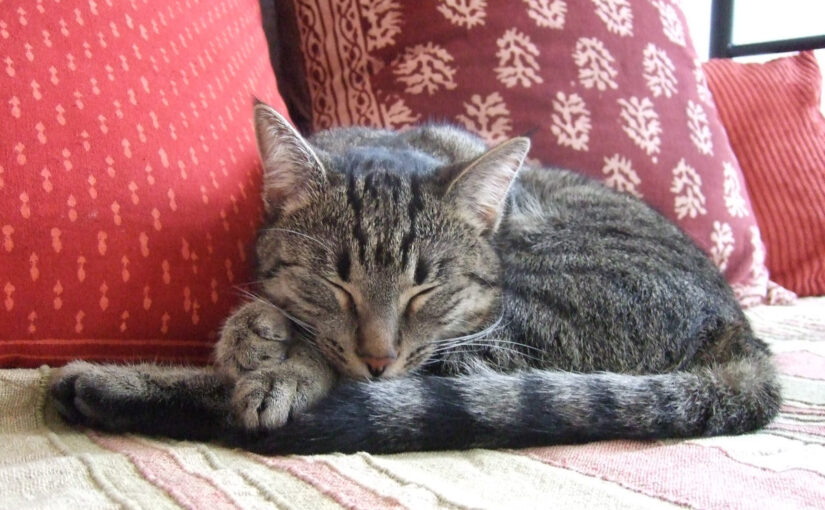
If you are searching for a cat that blends elegance, warmth, and resilience into one affectionate package, look no further than the European Shorthair. Often called Europe’s “original” housecat, this breed has quietly charmed families across the continent for centuries. With roots stretching back to ancient Rome and a personality that pairs playfulness with gentle independence, the European Shorthair offers everything a cat lover could want in a furry companion.
History and Origins
The European Shorthair boasts one of the most ancient lineages in the feline world. Historians believe these cats trace their ancestry to domestic felines brought by Roman soldiers as they expanded across Europe. The Romans prized them for their sturdy constitutions and remarkable hunting abilities, using them to keep granaries and homes free of vermin. As legions marched through Gaul, Germania, and beyond, their feline companions traveled alongside them, eventually spreading throughout the continent.
Despite this long history, the breed did not receive official recognition until surprisingly recently. For much of the 20th century, cat registries treated European Shorthairs as indistinguishable from British Shorthairs, creating confusion among breeders and enthusiasts alike. It was not until 1982 that the Fédération Internationale Féline formally recognized the European Shorthair as a distinct breed with its own standard. Scandinavian breeders, particularly those in Sweden and Finland, played a pivotal role in preserving and standardizing the breed, carefully selecting cats that embodied the traditional European domestic cat without crossbreeding with Persians or other breeds.
Physical Appearance
The European Shorthair presents a picture of natural, understated beauty. These are medium-sized cats, typically weighing between 12 and 15 pounds, with males tending toward the larger end of the spectrum. Their bodies are strong, muscular, and well-proportioned, built for the athletic pursuits their ancestors relied upon for survival.
Their heads are broad and rounded, with medium-sized ears that sometimes feature charming little tufts at the tips. One of the breed’s most captivating features is its expressive eyes, which can appear in green, amber, blue, or even as two different colors in the same cat. The coat itself is short, dense, and wonderfully soft to the touch. Unlike many pedigreed breeds, European Shorthairs come in virtually every color and pattern imaginable, from classic tabbies and solid blacks to striking tortoiseshells and pristine whites.
Personality and Behavior
What truly sets the European Shorthair apart is its beautifully balanced temperament. These cats are intelligent, loyal, and remarkably adaptable, qualities forged through centuries of traveling with humans and adjusting to new environments. They form deep bonds with their families and genuinely enjoy human company, yet they maintain a healthy streak of independence that prevents them from becoming overly demanding.
European Shorthairs are natural-born hunters who retain strong play instincts well into adulthood. They will happily pounce on feathered wands, stalk toy mice across the living room floor, and scale cat trees with athletic grace. Yet after a satisfying play session, these cats are just as content to curl up beside you for a peaceful nap. Most breeders recommend at least two 15-minute interactive play sessions daily to keep them mentally stimulated and physically fit.
When it comes to sharing their home with others, European Shorthairs are generally sociable and friendly. They get along well with children who treat them respectfully and can coexist peacefully with well-mannered dogs. However, they can be somewhat territorial with other cats, so careful introductions and attention to personality compatibility become especially important in multi-cat households.
Care and Health
One of the great advantages of the European Shorthair is its robust constitution. As a naturally developed breed that evolved without intensive selective breeding, these cats enjoy excellent overall health and an impressive lifespan of 15 to 20 years. They are not prone to breed-specific genetic conditions, though like all cats they can develop common feline ailments such as dental disease, obesity, and occasional ear infections.
Grooming requirements are refreshingly minimal. A weekly brushing session is typically sufficient to remove loose fur, reduce shedding, and prevent hairballs. Regular nail trims, ear checks, and dental care round out the routine maintenance that will keep your European Shorthair in top condition. Nutrition should consist of complete and balanced commercial cat food appropriate for your cat’s life stage. Because these cats have strong hunting instincts, they often thrive on small, frequent meals throughout the day, and food puzzles or rotating bowl locations can engage their natural foraging behaviors.
Living with a European Shorthair
The European Shorthair’s adaptability makes it an excellent choice for a wide range of living situations. Families with children will appreciate their gentle patience and playful energy, while singles and seniors will find them affectionate without being clingy. They adjust well to apartment living provided they receive adequate enrichment, though secure outdoor access through a catio or enclosed garden allows them to express their natural instincts more fully.
Training a European Shorthair can be a rewarding experience. These intelligent cats respond beautifully to positive reinforcement techniques and can learn tricks, come when called, or even play fetch. The key lies in consistent rewards offered immediately after desired behaviors. Enrichment is equally important: puzzle feeders, interactive toys, vertical climbing spaces, and window perches for birdwatching will keep your cat engaged and prevent boredom-related behaviors like excessive vocalization or furniture scratching.
Fun Facts and Trivia
The European Shorthair holds the distinguished honor of being the national cat of Finland, a testament to the breed’s popularity in Scandinavia where dedicated breeders worked hardest to preserve its unique characteristics. The breed is sometimes called the Celtic Shorthair, a name that nods to its deep historical roots in European culture. Interestingly, genetic studies have found close links between European domestic cats and those in North America, supporting theories that these cats sailed across the Atlantic with European settlers seeking new lives in the Americas. Despite being one of Europe’s most beloved cats, the European Shorthair remains relatively rare in the United States, where it is recognized only as a registration-only breed by The International Cat Association.
A Timeless Companion
The European Shorthair embodies everything wonderful about the domestic cat: beauty without fussiness, affection without neediness, and resilience born of centuries adapting alongside humans. Whether you are a first-time cat owner seeking an easygoing companion or an experienced feline enthusiast looking for a cat with genuine historical significance, the European Shorthair deserves a place on your shortlist. With proper care, these cats will reward you with 15 to 20 years of loyal friendship, playful moments, and quiet cuddles that make every day a little brighter.
Image: Uma.