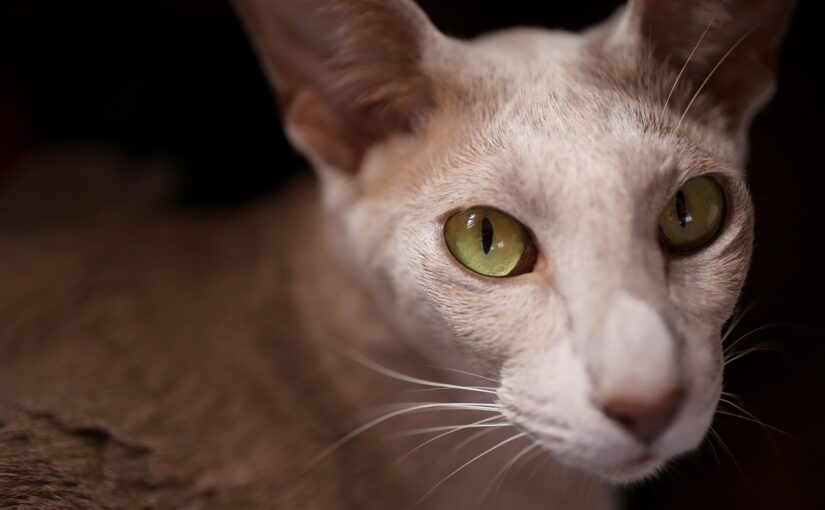
If you’re searching for a cat that combines elegance, intelligence, and an irrepressible personality, the Oriental Shorthair and Longhair breeds might be your perfect match. These striking felines boast sleek bodies, enormous ears, and an impressive rainbow of colors that make them stand out in any room. More importantly, they bring endless entertainment and affection to households willing to embrace their vibrant, vocal nature.
A Journey Through Time: History and Origins
The Oriental breeds share their roots with the beloved Siamese cat, tracing their ancestry back to Siam, present-day Thailand. Early depictions of these cats appeared in The Cat-Book Poems, a manuscript dating between 1350 and 1767, where they were treasured among the royal cats of the Siamese palace. However, the modern Oriental Shorthair isn’t a direct import from Thailand but rather a deliberate creation of mid-20th century breeders who envisioned a Siamese-type cat in a broader palette of colors and patterns.
During the 1950s and 1960s, European breeders began crossing Siamese cats with British Shorthairs, Russian Blues, and Abyssinians, then breeding those kittens back to Siamese to establish the foundation of the breed. American breeders soon joined the effort, fascinated by the unique look and crossing Siamese with Abyssinians to create their own variations. Despite initial resistance from traditional Siamese breeders who worried about diluting their breed’s distinctive traits, the Oriental Shorthair gained momentum and was accepted for registration by the Cat Fanciers’ Association in 1972, achieving full championship status by 1977. The longhaired variety followed naturally from the breeding program, and in 1995, both coat lengths merged into a single breed simply called the Oriental.
Physical Appearance: Elegance in Motion
Oriental Shorthairs and Longhairs are medium-sized cats with a physique that radiates grace and athleticism. Males typically weigh between 8 and 12 pounds, while females usually weigh less than 8 pounds. Their most striking features include long, angular faces, extraordinarily large ears that seem almost too big for their heads, and lengthy, muscular limbs that give them a powerful yet refined silhouette. Don’t let their fine-boned appearance fool you, though. These cats are remarkably strong and agile, capable of impressive feats of jumping and climbing.
What truly sets Orientals apart is their astonishing variety of colors and patterns. They come in over 100 variations, more than any other recognized cat breed, ranging from solid colors like ebony, blue, chestnut, cinnamon, fawn, and lavender to intricate patterns including tabby, smoke, shaded, and parti-color combinations. The shorthair variety sports a sleek, close-lying coat that gleams like satin, while the longhair version has a medium-length, silky single-layer coat that flows elegantly without the bulk of Persian-type breeds. Both varieties share the same lean build and expressive almond-shaped eyes that radiate intelligence and curiosity.
Personality and Behavior: Living with a Conversationalist
Prepare yourself for a cat with opinions, lots of them. Oriental Shorthairs and Longhairs are famously vocal, inheriting the talkative nature of their Siamese ancestors but often taking it to new levels. They’ll follow you from room to room, chatting about their day, their needs, and apparently their thoughts on everything you’re doing. Their voices range from soft chirps to long, demanding meows, and they’ll even adjust their tone depending on what you say to them. For fans of the breed, this constant communication is part of the charm, creating a uniquely interactive relationship.
These cats are highly social and thrive on companionship, often forming intense bonds with their human family members. Many Orientals are described as “dog-like” in their loyalty, greeting their owners at the door and seeking constant interaction. They’re natural social butterflies who love being the center of attention at gatherings, happily jumping from lap to lap and charming everyone they meet. Some individuals become “one person” cats, though most welcome affection from anyone willing to provide it.
When it comes to other pets, Orientals generally excel in multi-pet households. They hold their own against much larger cats and dogs, often ruling the roost despite their slender build. Their high energy and playful nature mean they benefit enormously from having another cat companion, as they don’t do well when left alone for long periods. Their intelligence rivals that of their Siamese ancestors, making them quick learners who can master puzzle toys, play fetch, open doors, and even respond to their names with remarkable consistency.
Care and Health: Keeping Your Oriental Thriving
Orientals are generally healthy cats with lifespans ranging from 10 to 15 years, though many individuals live well beyond that, sometimes reaching 20 years with proper care. Their nutritional needs aren’t particularly specialized, but they thrive on high-quality, protein-rich diets featuring real meat or fish as the primary ingredient. Adult Orientals should receive balanced meals with moderate fat content to sustain their high energy levels without leading to weight gain. Fixed feeding schedules and portion control help maintain their sleek physique and prevent obesity-related health issues.
Grooming requirements differ slightly between the two coat lengths. Oriental Shorthairs need minimal maintenance, just a weekly brushing to remove loose hair and keep shedding under control, plus occasional baths. The Oriental Longhair’s silky, single-layer coat rarely tangles or mats and requires only weekly brushing to maintain its beautiful condition. Both varieties benefit from weekly nail trimming, ear cleaning with a warm damp cloth, and regular teeth brushing with vet-approved pet toothpaste.
Health-wise, Orientals carry some predisposition to conditions common in Siamese-derived breeds, including neoplastic and gastrointestinal disorders, crossed eyes, respiratory infections, obsessive-compulsive behaviors, vestibular disease, Feline Hyperesthesia Syndrome, and diabetes mellitus. However, Siamese-derived breeds also tend to have higher mortality rates compared to other cat breeds, making preventive care essential. Annual blood panels starting at age three (increasing to twice yearly after age eight), periodic echocardiograms to monitor for hypertrophic cardiomyopathy if there’s a family history, and dental cleanings every 12 to 18 months can significantly extend their lifespan and catch potential issues early. Orientals can be sensitive to anesthesia, so always inform your veterinarian of this before any procedures.
Living with This Breed: Are Orientals Right for You?
Orientals suit households that can provide abundant attention, activity, and mental stimulation. Their high energy levels and need for companionship make them ideal for families with children, active single owners who work from home, or multi-pet households where they’ll have playmates. They’re less suitable for people who travel frequently or work long hours away from home, as these cats genuinely need their humans and can become anxious or destructive when lonely.
Their intelligence demands regular enrichment. Stock up on puzzle toys, interactive games, and climbing structures to keep their clever minds occupied. Many Oriental owners find success with clicker training, teaching their cats tricks just as they would a dog. These cats excel at learning commands, playing fetch, and even walking on leashes with proper introduction and positive reinforcement. If kept strictly indoors, which is strongly recommended to extend their lifespan and reduce disease and injury risks, provide plenty of vertical space, window perches for bird watching, and rotate toys regularly to prevent boredom.
Orientals adapt well to change, making them suitable for households that might move or experience lifestyle shifts. However, their vocal nature and activity levels mean apartment dwellers should consider whether neighbors will tolerate a chatty, playful cat who may race around at odd hours. These aren’t cats that fade into the background. They’re full participants in household life who expect to be included in everything you do.
Fun Facts and Trivia: The Oriental’s Unique Quirks
Beyond their obvious physical beauty, Orientals possess fascinating characteristics that delight their devotees. Their ears aren’t just large, they’re genuinely enormous, sometimes appearing cartoonishly oversized and serving as one of the breed’s most recognizable features. This gives them an alert, almost extraterrestrial appearance that many find irresistibly charming.
Their vocal repertoire extends beyond typical meowing. Orientals produce an impressive range of sounds including soft chirps, long melodic meows, sharp trills, and sometimes even a distinctive “honk” that catches first-time owners by surprise. They’re masters of communication who’ll modify their vocalizations to match the situation, whether they’re demanding dinner, greeting you at the door, or simply commenting on the weather.
These cats are also notorious escape artists and problem-solvers. Leave a cabinet slightly ajar and they’ll figure out how to open it completely within minutes. Their curiosity knows no bounds, and their athletic abilities mean few places in your home will remain unexplored. Many owners report that their Orientals solve puzzle toys faster than expected and develop creative solutions to reach forbidden areas, making childproofing a necessity.
Embracing the Oriental Experience
Oriental Shorthairs and Longhairs aren’t for everyone, and that’s perfectly fine. These cats demand participation in their lives, regular interaction, and households that appreciate constant feline commentary. But for those who connect with their dynamic personalities, few breeds offer such a rewarding companionship. They’re loyal, affectionate, intelligent, and endlessly entertaining, bringing a unique energy to every home they grace. Whether you’re drawn to their stunning variety of colors, their elegant physique, or their irrepressible charm, an Oriental cat promises a relationship filled with conversation, play, and profound mutual devotion. If you’re ready for a cat who’ll be your shadow, your comedian, and your most vocal advocate all rolled into one sleek, gorgeous package, the Oriental breed might just steal your heart.
The International Cat Association (TICA) – Oriental Shorthair
https://tica.org/breed/oriental-shorthair/
TICA is one of the world’s largest genetic cat registries and provides official breed standards and information.
The International Cat Association (TICA) – Oriental Longhair
https://tica.org/breed/oriental-longhair/
TICA’s dedicated page for the longhaired variety, offering breed-specific standards and characteristics.
The Cat Fanciers’ Association (CFA) – Oriental
https://cfa.org/breed/oriental/
The CFA is the world’s largest registry of pedigreed cats and was the organization that accepted the Oriental Shorthair for registration in 1972 and granted championship status in 1977.
Image by Tania Van den Berghen.