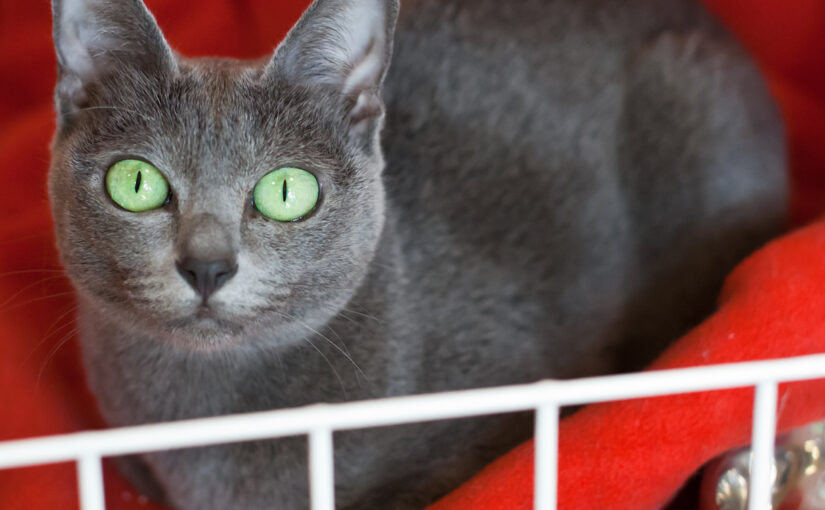
The Korat cat is one of those breeds that seems to carry a little magic in its coat. With its shimmering silver-blue fur, striking green eyes, and intensely loyal personality, this ancient Thai breed has fascinated cat lovers for centuries. Today, Korats remain relatively rare outside their homeland, yet those who share their lives with one often describe the experience as living with a devoted, soft-footed shadow.
History and Origins of the Korat
The Korat originates from Thailand, historically known as Siam, and is considered one of the country’s oldest natural cat breeds. References to a cat that fits the Korat’s description appear in the ancient Thai manuscript known as the “Tamra Maew” or “Cat Book Poems,” believed to date back several centuries. In these texts, silver-blue cats with luminous eyes are praised as bringers of prosperity and luck.
The breed takes its modern name from the Nakhon Ratchasima region of Thailand, commonly called “Korat” by locals. In traditional Thai culture, these cats were often given as auspicious gifts, especially to newlyweds, in the hope of blessing the couple with wealth and happiness. Rather than being widely traded, Korats were typically cherished within families, which helped preserve their distinct characteristics over generations.
Korat cats first appeared in Western records in the late nineteenth century, sometimes confused with blue Siamese or other blue-coated cats. It was not until the mid twentieth century that dedicated breeders in the United States and Europe began working with cats imported from Thailand, establishing the Korat as a recognized and distinct breed in modern cat registries.
Physical Appearance: A Living Silver Cloud
A Korat is instantly recognizable once you know what to look for. The overall impression is that of a graceful, medium-sized cat with a muscular, semi-cobby body that feels heavier than it looks. Pick one up and the solid weight often comes as a surprise.
The head has a unique heart-shaped outline when viewed from the front, with a broad forehead and gently rounded contours that taper to a softly rounded muzzle. Large, wide-set ears give the Korat an alert expression, while the eyes are one of the breed’s most captivating features. They are large, round, and vividly colored, typically a bright peridot or emerald green in mature adults. Young Korats often start with amber or golden eyes that gradually shift toward green as they age.
The coat is short, single-layered, and lies close to the body with a soft, fine texture. What makes it truly special is the color. Korats are always blue, but not a flat blue. Each hair tends to be lighter at the root and tipped with silver, creating a subtle halo effect that seems to shimmer as the cat moves. This “silver-blue” or “blue-silver” coat is an essential hallmark of the breed and contributes much to its mystical reputation.
Personality and Behavior: Intense, Loyal, and Smart
Korat cats are known for forming very strong bonds with their humans. They are not typically aloof or independent in the way some cats can be. Instead, a Korat often chooses a favorite person and follows them from room to room, watching closely, participating in daily routines, and insisting on being near. Many owners describe their Korats as “velcro cats.”
These cats are intelligent, observant, and emotionally responsive. They pick up on mood and routine quickly and can be sensitive to tension or loud chaos. While not generally hyperactive, Korats are agile and playful, with a fondness for interactive games that challenge both body and mind. Many enjoy fetch, wand toys, or puzzle feeders that let them “hunt” for treats.
In terms of vocalization, Korats tend to communicate with purpose. They may not be as chatty as Siamese, yet they are not silent either. Expect a range of soft chirps, insistent meows when dinner is late, and conversational sounds when they want attention. Their communication often feels very directed, as if they assume you understand exactly what they are saying.
With other pets, Korats can coexist peacefully if introductions are handled thoughtfully. They usually do best with other animals that respect their space and are not overly boisterous. With time and socialization, many Korats develop close friendships with other cats or calm, cat-savvy dogs. Around humans they know and trust, their affectionate, sometimes clownish side comes out, and they can be wonderful companions for gentle, respectful children.
Care and Health: Nutrition, Grooming, and Activity
Caring for a Korat is not overly complicated, but the breed does have some specific needs. A balanced, high-quality diet is essential to support its muscular build and active nature. Many owners prefer a mix of wet and dry food, or carefully planned raw or home-prepared diets in consultation with a veterinarian. Like all cats, Korats benefit from consistent portion control to avoid obesity, which can stress their joints and internal organs.
Grooming is relatively low maintenance. The short, single coat sheds less than many double-coated breeds. Weekly brushing is usually enough to remove loose hair and keep the coat glossy, while also offering a pleasant bonding ritual. Routine nail trimming, ear checks, and dental care should be part of regular maintenance. Dental health is especially important, as tartar buildup and gum disease can affect longevity.
Korats are naturally athletic and intelligent, so they need both physical and mental stimulation. Daily play sessions that encourage jumping, chasing, and problem solving help keep them fit and content. Cat trees, wall shelves, and window perches let them observe their environment from above, which many Korats enjoy.
From a health perspective, the Korat is a generally robust natural breed, but there are known hereditary concerns that responsible breeders screen for. The most notable are GM1 and GM2 gangliosidosis, serious metabolic disorders that can be detected through genetic testing. Reputable breeders test their breeding cats and avoid risky pairings, so prospective owners should always ask about health screening. With good care and responsible breeding, Korats are known for impressive longevity. Many live well into their late teens, and living 15 to 20 years is not unusual.
Living With a Korat: Is This the Right Cat for You?
A Korat can adapt to various household types, but some environments suit them better than others. In a quiet or moderately active home, whether with a single guardian or a couple, they often thrive, enjoying constant companionship and predictable routines. For families with children, a Korat can be a loving playmate as long as kids are taught to handle the cat gently and to respect its need for calm and safe spaces.
In multi-pet homes, Korats usually do best when introductions are gradual and well managed. They may not appreciate very dominant or high-energy animals that invade their space, but they can form tight bonds with compatible companions. Because they value social contact, some breeders recommend that owners who are out of the house for long hours consider either another friendly cat or a plan for regular interactive time every day.
Training and enrichment are particularly rewarding with this breed. Korats often respond well to positive reinforcement methods such as clicker training. They can learn to come when called, sit, high-five, or navigate simple obstacle courses. Rotating toys, using food puzzles, and setting up vertical exploration zones help keep their agile minds engaged. The more a Korat is included in the daily life of the home, the happier the cat usually becomes.
Fun Facts and Trivia About Korats
Korat cats are often regarded in Thailand as living symbols of good fortune. Traditionally, they were not bought or sold in the same way as other cats. Instead, they were given as precious gifts, especially to mark important life events.
Their silver-blue coat has practical as well as aesthetic charm. Some observers believe the shimmering effect evolved as a form of natural camouflage in dappled light, helping the cat blend into its surroundings as it stalked prey.
Though not typically marketed as “speed cats,” Korats are surprisingly quick and agile. Their strong hind legs and compact muscle make them impressive jumpers, and many owners report stunning vertical leaps onto shelves or high furniture. When they sprint through a home during a play session, they seem to move like a streak of silver just at the edge of vision.
A Shimmering Companion With a Loyal Heart
The Korat cat is more than just a beautiful silver-blue coat. It is a breed steeped in history and symbolism, shaped by centuries of close relationships with people in its Thai homeland. For modern cat lovers, the Korat offers an appealing blend of loyalty, intelligence, and gentle affection.
Sharing a home with a Korat means welcoming a sensitive, watchful, and deeply attached companion that wants to be part of every day. For readers seeking a cat that will bond closely with its humans, reward interactive play, and fill the home with quiet yet vivid presence, the Korat deserves a place near the top of the list of breeds to consider.
Image: Korat, Heikki Siltala, catza.net.
Read more: Five Shades of Silver: The Blue Cat Breeds You Need to Know