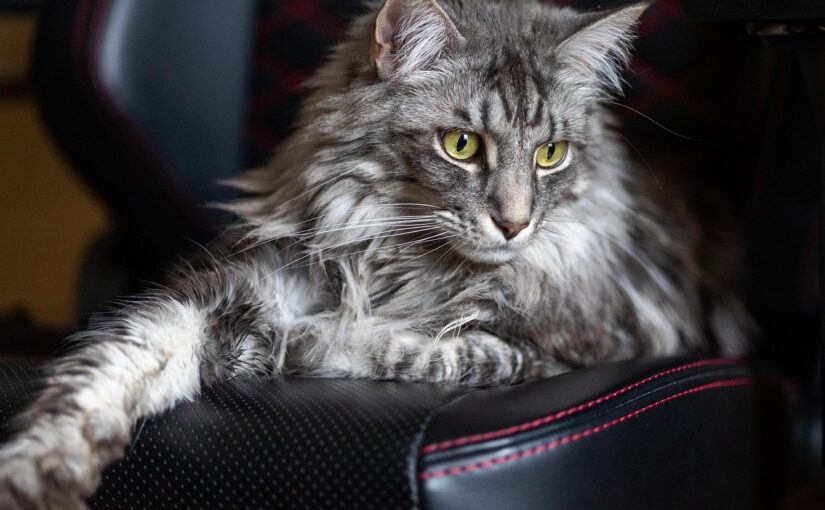
Maine Coon cats have a way of turning casual admirers into lifelong devotees. With their tufted ears, flowing tails and almost mythical presence, they look like they walked straight out of a forest fairy tale and into the living room. Yet beneath that wild, rugged exterior lives a sociable, often clownish companion who thrives on human company. For many cat lovers, the Maine Coon is the perfect blend of beauty, brains and easygoing charm.
History and origins of the Maine Coon
The precise origins of the Maine Coon are wrapped in folklore, which only adds to their mystique. One popular tale suggests that seafaring traders brought longhaired cats from Europe to the coast of New England, where they mingled with local farm cats and adapted to the harsh northern climate. Another legend links them to Marie Antoinette’s supposed ship cats, although there is no factual evidence for that story, only romantic imagination.
What is certain is that the breed developed naturally in the US state of Maine. Farmers and sailors prized these sturdy, weather resistant cats for their hunting skills, as they kept barns and ships free from rodents. Their thick coats, bushy tails and large paws evolved as practical tools for surviving snowy winters. By the late nineteenth century, Maine Coons were appearing in some of the earliest American cat shows, earning attention as a distinct and impressive breed. Although their popularity dipped in the mid twentieth century, they surged back into favor and are now among the most beloved pedigree cats worldwide. The Maine Coon is even recognized as the official state cat of Maine.
Physical appearance: built for winter
A Maine Coon in full coat is an unforgettable sight. These are one of the largest domesticated cat breeds, with males often weighing between 6 and 9 kilograms and females slightly smaller. Their bodies are long and muscular, with a broad chest and a rectangular build that gives them a statuesque look even when they lounge on the sofa.
Their coat is semi long and water repellent, shorter over the shoulders and longer on the stomach and hind legs, where it forms shaggy “britches.” A ruff around the neck can resemble a small lion’s mane, especially in winter. The tail is luxuriously bushy and can be as long as the body, a natural wraparound blanket in cold weather.
Maine Coons come in a wide variety of colors and patterns. Brown tabby is a classic, but you will see everything from solid black to silver, blue, red, cream, tortoiseshell and many combinations with white. Their heads are slightly rectangular, with high cheekbones and large, expressive eyes. Ear tufts and lynx like tips are especially admired, although not every individual will have them as dramatically.
Personality and behavior: the “gentle giant”
Despite their impressive size, Maine Coons are known as “gentle giants” of the cat world. Most are friendly, affectionate and strongly attached to their human families, yet they usually avoid being clingy. Many owners describe them as companionably present, padding from room to room to stay near their people, but just as content to stretch out nearby instead of demanding constant cuddles.
Maine Coons tend to be playful well into adulthood. They enjoy interactive games, learn quickly and often master tricks such as fetch or high five with ease. Their intelligence and curiosity make them adept problem solvers, which can mean they figure out how to open doors or find ingenious new ways to reach high places.
Another distinctive trait is their vocal style. Rather than the classic loud meow, many Maine Coons communicate in soft chirps and trills, sometimes carrying on a whole conversation as they follow their owners around the house. With children and other pets, they are usually tolerant and sociable, provided introductions are done gradually. Their steady temperament and size often make them a reassuring presence around dogs, and many will form close bonds with canine housemates.
Care and health: what Maine Coons need
Caring for a Maine Coon involves a bit more grooming and attention to health, but the routine quickly becomes a pleasant ritual for most owners. Their semi long coat does not usually mat as easily as that of some longhaired breeds, yet it still benefits from regular brushing. Two to three sessions per week, and more during seasonal shedding, help remove loose hair, prevent tangles and reduce hairballs. Many Maine Coons learn to enjoy grooming if introduced to it gently when young.
Nutrition matters too, especially for a large, gradually maturing breed. Maine Coons typically reach full physical maturity around three to five years of age. A high quality, protein rich diet that supports slow, steady growth is important in their early years. In adulthood, a balance of wet and dry food, appropriate portion sizes and monitoring of body condition can help prevent obesity, which can strain joints and the heart.
Like all purebred cats, Maine Coons have certain health issues that appear more frequently in the breed. The most notable is hypertrophic cardiomyopathy, a form of heart disease that responsible breeders screen for in their breeding cats. Hip dysplasia and spinal muscular atrophy also occur in the breed, although not in every line. Regular veterinary check ups, including heart evaluations where recommended, play an important role in early detection and management. With good care, many Maine Coons enjoy lifespans of 12 to 15 years, and some live well into their late teens.
Living with a Maine Coon
Sharing a home with a Maine Coon feels, in many ways, like living with a charismatic roommate. They often suit a wide range of households, from families with children, to single owners who work from home, to multi pet environments with other cats and dogs. Their adaptability and social nature mean they usually handle busy households well, while their independent streak also allows them to cope if their owner has a standard work schedule.
That said, they do need meaningful interaction and mental stimulation. Daily play sessions with wand toys, feather teasers or small balls help channel their hunting instincts and keep them fit. Puzzle feeders and treat toys can turn mealtimes into brain games, which many Maine Coons relish. They are natural climbers, so tall cat trees, sturdy shelves or window perches are valuable additions for both exercise and enrichment.
Training can be surprisingly fun with this breed. Many respond well to clicker training and food rewards, learning to come when called, sit, or even walk on a harness. Early, gentle socialization helps them become confident adults. Introducing them slowly to new pets, sounds and experiences builds resilience and reduces stress later on.
Fun facts and trivia
Maine Coons inspire a rich list of anecdotes and curiosities. They are frequently described as “dog like” in their loyalty and willingness to follow people from room to room. Some individuals enjoy playing in water, patting at dripping taps or even joining their humans in the bathroom as if supervising the shower.
The breed has held records for size, with several Maine Coons recognized as some of the longest domestic cats ever measured, thanks largely to their extended bodies and tails. While they are not known for sprinting like sleek oriental breeds, they are powerful and surprisingly agile, capable of impressive jumps when chasing toys.
Culturally, their rugged looks and New England roots have given them an almost folkloric status in the United States. Artists and photographers often use Maine Coons as models when they want to capture a “wild cat in the home” image. Yet anyone who has lived with one knows that behind those dramatic whiskers there is usually a sweet, social soul.
A companion to grow with
For cat lovers who dream of a companion that is both majestic and down to earth, the Maine Coon offers something special. This is a breed that brings presence to a room, yet also curls up quietly nearby during late night reading sessions. With their affectionate nature, playful intelligence and generally gentle temperament, they can be a joy for families, singles and multi pet homes alike.
Adopting a Maine Coon, whether from a responsible breeder or a rescue that takes in longhaired and mixed heritage cats, is a commitment to regular grooming, thoughtful nutrition and ongoing enrichment. In return, these gentle giants often give their people many years of companionship, quiet conversation in the form of chirps and trills, and a daily reminder of how magical a cat can be.
Web sources for further reading on Maine Coon cats:
- The Cat Fanciers’ Association (CFA) – Maine Coon Cat
https://cfa.org/breed/maine-coon-cat/
The CFA maintains the world’s largest registry of pedigreed cats and provides comprehensive breed standards, judging criteria, and historical information about Maine Coons. - The International Cat Association (TICA) – Maine Coon
https://tica.org/breed/maine-coon/
TICA is one of the oldest international cat organizations, established in 1976, and offers detailed breed standards, recognition information, and resources for Maine Coon enthusiasts worldwide. - Maine Coon Breeders and Fanciers Association (MCBFA)
http://www.mcbfa.org/breedinfo.html
Founded in 1968, MCBFA was the first organization dedicated specifically to preserving and promoting the Maine Coon breed and played a pivotal role in reviving the breed when its existence was threatened.
📷 VBlock / Pixabay.