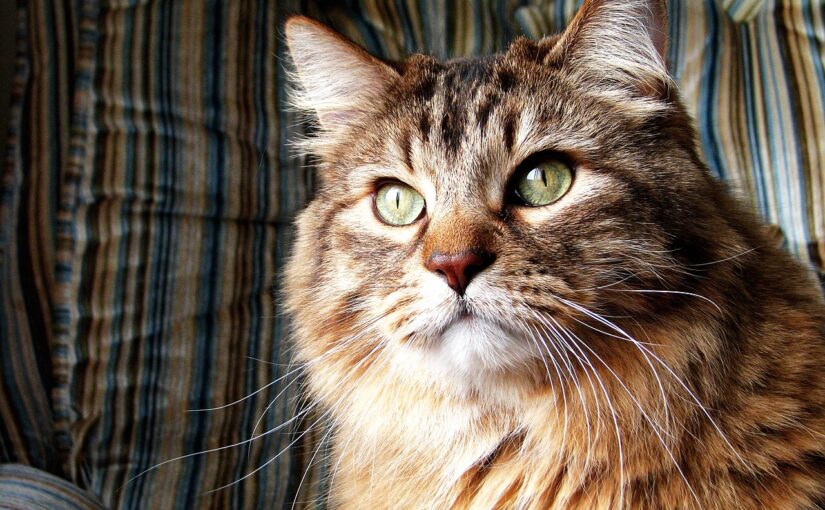
The Norwegian Forest Cat looks as if it has stepped straight out of a fairy tale. With its flowing coat, tufted ears and wise, almond shaped eyes, this is a cat that turns everyday living rooms into enchanted forests. Yet behind the dramatic appearance lies a surprisingly down to earth companion: affectionate, playful and often deeply devoted to its humans.
For cat lovers who are curious about this ancient Scandinavian breed, or who are wondering whether a Norwegian Forest Cat might fit into their home, the story of the “Wegie” is full of surprises.
History and origins of the Norwegian Forest Cat
The Norwegian Forest Cat, known in its homeland as the “skogkatt” or “forest cat,” is a natural breed that developed over centuries in the forests and farms of Norway. Rather than being created through modern breeding programs, it evolved in response to a harsh northern climate, with cold winters, wet snow and rugged terrain. Only the hardiest and best adapted cats survived to pass on their genes.
Folklore paints the skogkatt as a magical creature. In Norse mythology, huge forest cats were said to pull the chariot of the goddess Freyja, and one tale describes the god Thor struggling to lift a cat that was far more powerful than it appeared. Many historians believe these stories were inspired by early ancestors of the Norwegian Forest Cat, whose size and strength impressed generations of storytellers.
By the early 20th century, however, the breed was under threat, as imported cats and urbanization began to dilute the traditional forest cat population. Norwegian cat fanciers stepped in during the 1930s and again after the Second World War to preserve the type. The Norwegian Forest Cat was formally recognized in Scandinavia in the 1970s, and international cat associations soon followed. Today, it is celebrated worldwide as a living piece of Nordic heritage.
Physical appearance: built for northern winters
Everything about the Norwegian Forest Cat’s body tells a story of survival in a cold, damp environment. The coat is semi long and consists of a dense, insulating undercoat topped by a water resistant outer layer. Around the neck it forms an impressive ruff, while the hind legs sport “britches” of long fur and the tail is a magnificent, plume like banner.
The body is strong and muscular, with a solid bone structure. Norwegian Forest Cats are considered a large breed. Adult males often weigh between 5 and 8 kilograms, with females slightly smaller, although individual cats may fall outside that range. They are slow maturing and can take four to five years to reach their full size and coat.
The head has a triangular shape when viewed from the front, with a straight profile and a gently rounded forehead. Almond shaped eyes give them an alert, intelligent expression and can come in many shades of green, gold or copper. Ears are medium to large, often with lynx like tips and furnishings of hair on the inside, all of which help protect against snow and cold air. Norwegian Forest Cats appear in almost every color and pattern, apart from a few combinations that breed standards exclude, so there is enormous variety within the breed.
Personality and behavior: social, smart and a little independent
Despite their wild forest look, Norwegian Forest Cats are usually friendly, people oriented companions. Many owners describe them as calm but not lazy. They enjoy being near their humans, often choosing a spot where they can watch family life unfold, yet they do not tend to be clingy. This balance between affection and independence appeals to many modern households.
Norwegian Forest Cats are intelligent and curious. They like to explore high places, examine new objects and observe everything that moves. Their climbing ability is remarkable, and they often prefer the top of a bookcase to the middle of a sofa. Play sessions that challenge both body and mind, such as puzzle feeders or interactive wand toys, suit them very well.
In terms of vocalization, they are usually not as loud as some other breeds, but they can be quite chatty in a gentle way. Many communicate with soft chirps and trills instead of full throated meows, especially when greeting their favorite humans or asking for attention.
With proper socialization, Norwegian Forest Cats tend to get along well with children, other cats and even cat friendly dogs. Their sturdy build and tolerant nature can make them good companions for respectful kids. They often enjoy the company of other animals, although introductions should always be managed thoughtfully.
Care and health: grooming, nutrition and activity
The luxurious coat of the Norwegian Forest Cat looks like it demands endless work, but it is designed to be functional. The texture of the fur helps prevent matting, especially outside the heavy shedding seasons. In most cases, a thorough brushing once or twice a week is enough to remove loose hair and keep the coat in good condition. During spring and autumn, when they shed their winter or summer coat, more frequent grooming can help manage loose fur and reduce hairballs.
Nutritionally, Norwegian Forest Cats benefit from a high quality diet that emphasizes animal protein. Their muscular frame and active nature require good fuel, but care is needed to prevent excess weight, especially in indoor cats. Wet food can support hydration, while measured portions of balanced dry or mixed feeding help maintain a healthy weight. As with any breed, access to fresh water and regular veterinary checks are essential.
Activity needs are moderate to high. These cats appreciate climbing opportunities, sturdy cat trees and shelves, and regular play sessions that let them sprint, jump and pounce. Without suitable outlets, they may become bored or find their own, less desirable entertainment, such as exploring countertops or shelves filled with breakable items.
Healthwise, Norwegian Forest Cats are generally robust, but certain genetic and structural issues are monitored within the breed. Hypertrophic cardiomyopathy, a form of heart disease, has been documented, and responsible breeders often screen their breeding cats. A rare condition called glycogen storage disease type IV has also been associated with the breed, and genetic tests are available to reduce the risk of affected kittens. Hip dysplasia, more commonly associated with dogs, can occur in heavier cat breeds and may lead to mobility issues later in life. Regular veterinary care, appropriate weight management and responsible breeding practices all help support long term health. The typical lifespan is often quoted around 14 to 16 years, and many individuals live even longer with good care.
Living with a Norwegian Forest Cat
Sharing a home with a Norwegian Forest Cat can be deeply rewarding. These cats adapt well to different household types, as long as their needs for companionship, stimulation and vertical space are met. Families with children often appreciate the Wegie’s patient and playful nature. Single owners benefit from a loyal companion who is happy to share quiet evenings yet still enjoys bursts of energetic play.
In multi pet homes, Norwegian Forest Cats usually integrate well, especially if introductions are slow and positive. Their confident, social temperament can help reduce tension, though personalities always vary from one cat to another. Providing enough resources, such as multiple litter boxes, food stations and resting spots, helps everyone cohabit peacefully.
Training a Norwegian Forest Cat is not only possible, it is often enjoyable. They respond well to positive reinforcement and can learn tricks, recall cues, or even harness walking if introduced gradually. Enrichment is key. Rotating toys, offering puzzle feeders, creating window perches and using tall cat trees all tap into their natural instincts to climb, watch and hunt.
Because they love height, it is wise to “cat proof” high shelves and bookcases and to secure any unstable furniture. For indoor cats, screened balconies or secure catios provide safe access to fresh air and interesting smells, which many Norwegian Forest Cats adore.
Fun facts and charming trivia
The Norwegian Forest Cat holds the title of national cat of Norway, an honor that reflects its deep roots in the country’s culture and history. It is often featured in Norwegian children’s books and artwork as a symbol of the enchanted forest.
Many enthusiasts like to imagine Norwegian Forest Cats as traveling companions of Viking sailors. While hard proof is limited, it is very likely that sturdy, semi longhaired cats from Scandinavia rode on ships to control rodents, and might even have contributed to the development of other longhaired breeds in Europe.
Their climbing skill is not just impressive, it is practical. Norwegian Forest Cats are known for their ability to come down trees headfirst, using strong hindquarters and sharp claws to control their descent. Their water resistant coat also allows them to tolerate drizzle and snow better than many shorthaired cats, and some individuals even enjoy carefully exploring shallow water.
Fans often call them “Wegies,” a nickname that reflects the affection people feel for this gentle giant of the north. For many owners, the combination of ancient myth and modern companionship is what makes the breed truly special.
A fairytale friend for real life
The Norwegian Forest Cat is a breed where legend and everyday life blend into something quietly magical. Shaped by the forests and winters of Scandinavia, it brings a unique mix of rugged beauty, steady temperament and playful intelligence into the home. For cat lovers who enjoy interactive play, thoughtful grooming rituals and the presence of a calm yet engaging companion, the Wegie can be a perfect fit.
Whether you are planning to adopt, researching breeds or simply admiring from afar, taking the time to understand the Norwegian Forest Cat is a rewarding journey. In return, this remarkable feline may reward you with years of companionship, soft chirps of greeting and the sight of a magnificent tail disappearing toward the highest perch in the room.
Image: Butters, a 10 year old Norwegian Forest Cat in Missouri, Bslow7.