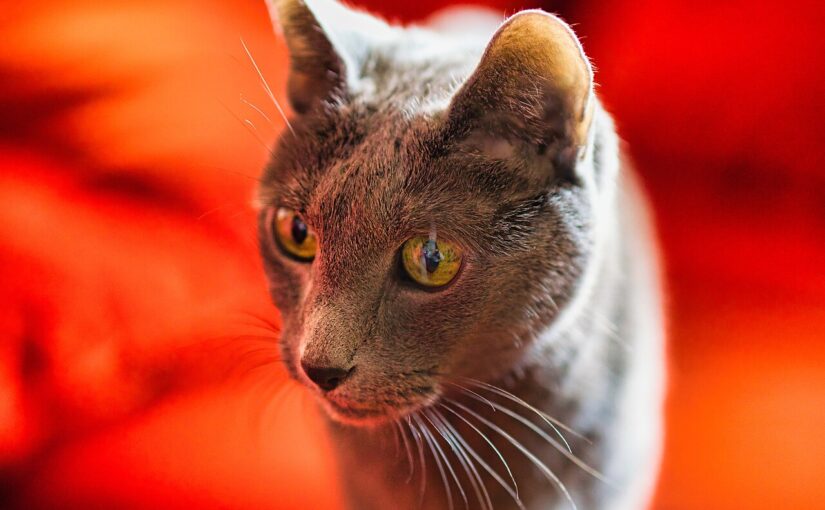
Elegant, silver-blue and quietly observant, the Russian Blue cat often gives the impression of a feline aristocrat. Yet behind those vivid green eyes hides a playful, affectionate companion who forms deep bonds with their favorite humans. For cat lovers who enjoy a calm yet clever housemate, the Russian Blue can be an unforgettable choice.
A Noble Heritage from the North
The Russian Blue’s origins remain partly shrouded in mystery, much like the breed itself. Most historians believe these cats originated in the port city of Arkhangelsk in northern Russia, where their thick double coats evolved to protect them from the harsh Arctic climate. Sailors reportedly brought these “Archangel cats” aboard ships during the 1860s, introducing them to England and Northern Europe.
The breed gained recognition at the first organized cat show at London’s Crystal Palace in 1875, where they competed alongside other blue-shorted cats. However, crossbreeding during and after World War II nearly eliminated the pure Russian Blue bloodline. Dedicated breeders in England, Scandinavia, and North America worked tirelessly to restore the breed using carefully selected outcrosses with Siamese and British Blues, eventually re-establishing the distinct Russian Blue we know today by the 1960s. The breed earned championship status from major cat associations and has maintained its popularity ever since.
Physical Elegance in Silver and Green
Russian Blues possess a distinctive appearance that sets them apart from other breeds. Their most striking feature is their short, dense double coat in a solid blue-gray color with silver-tipped guard hairs that create a shimmering, almost luminescent effect. The coat feels incredibly plush and soft, standing away from the body rather than lying flat.
These cats typically weigh between seven and twelve pounds, with males generally larger than females. Their bodies are long and graceful, neither cobby nor extremely slender, with fine-boned legs that seem almost too delicate for their strength and agility. The head forms a modified wedge shape with prominent whisker pads and large, pointed ears set wide apart on the skull.
Perhaps most captivating are their eyes, which transform from yellow as kittens to brilliant emerald green by four months of age. This vivid green provides a stunning contrast against their silver-blue coat, giving Russian Blues an expression that appears both wise and slightly mysterious. Many enthusiasts describe their faces as having a perpetual “smile” due to the subtle upturn of their mouth line.
A Gentle Soul with Playful Spirit
Russian Blues earn high marks for their temperament, combining affection with independence in perfect balance. These cats typically bond deeply with their chosen family members but often select one or two favorite humans rather than greeting everyone with equal enthusiasm. They tend to be reserved around strangers, preferring to observe from a safe distance before deciding whether to approach. This caution shouldn’t be mistaken for aloofness; once they trust you, Russian Blues become devoted companions who follow their people from room to room.
Their intelligence shines through in daily interactions. Russian Blues quickly learn household routines and can even master tricks or puzzle toys designed for feline enrichment. They’re sensitive to their owner’s moods and often provide quiet comfort during stressful times. Unlike some vocal breeds, Russian Blues typically use soft, gentle voices, making them excellent choices for apartment living.
These cats generally coexist peacefully with other pets when properly introduced. They do well with calm dogs and other cats, though their gentle nature means they might prefer feline companions who respect their space. Russian Blues enjoy interactive play sessions but also appreciate independent playtime, often entertaining themselves with favorite toys when their humans are busy.
Maintaining Health and Happiness
Russian Blues are relatively low-maintenance cats with few breed-specific health concerns, though responsible breeding practices remain essential. Most individuals live fifteen to twenty years when provided with proper care, and some reach their early twenties. The breed has no widespread genetic disorders, though they can develop common feline health issues like obesity or dental disease if nutrition and preventive care are neglected.
Their dietary needs mirror those of most domestic cats. High-quality protein should form the foundation of their diet, whether from commercial foods or carefully balanced homemade meals prepared under veterinary guidance. Russian Blues can be prone to weight gain if overfed, so monitoring portions and body condition matters. These intelligent cats may beg convincingly for treats, but maintaining a healthy weight protects their joints and overall longevity.
Grooming requirements are surprisingly minimal despite their luxurious coat. The dense double coat naturally resists matting, so weekly brushing usually suffices to remove loose hair and distribute skin oils. During seasonal shedding periods in spring and fall, increasing brushing frequency helps manage the extra hair. Russian Blues are fastidious self-groomers and typically keep themselves immaculately clean.
Exercise needs are moderate but important. Russian Blues appreciate vertical spaces like cat trees and enjoy chasing interactive toys that engage their hunting instincts. Providing puzzle feeders or treat-dispensing toys challenges their clever minds while encouraging physical activity. These cats can become couch-bound without stimulation, so daily play sessions help maintain their athletic build.
Finding Your Place with a Russian Blue
Russian Blues adapt well to various living situations, making them versatile companions. Single owners often form especially close bonds with these cats, who appreciate having one person to lavish with attention. Families with older, respectful children also make good matches, as Russian Blues tolerate gentle handling but may feel overwhelmed by loud, chaotic environments or rough play.
These cats thrive in calm households where routines remain relatively consistent. They dislike sudden changes or disruptions to their environment, preferring predictability and stability. If you travel frequently or maintain an unpredictable schedule, a Russian Blue might feel stressed without adequate preparation and support.
Multi-pet homes can work beautifully if introductions proceed gradually. Russian Blues appreciate having options for solitude, so ensuring they have escape routes and private spaces prevents tension. They’re not typically dominant or aggressive but won’t tolerate bullying from more assertive animals.
Training a Russian Blue taps into their intelligence and desire to please. They respond well to positive reinforcement and can learn to walk on harnesses, use puzzle toys, or even perform simple tricks. Clicker training works particularly well with this breed. Enrichment should include opportunities for climbing, hiding, and observing their territory from elevated perches. Window perches with bird feeders positioned outside provide hours of entertainment.
Fascinating Facts About Russian Blues
Several intriguing details make Russian Blues even more captivating. Russian folklore considered these cats good luck charms, and Russian Czars reportedly kept them as companions. Some legends claim Russian Blues could ward off evil spirits, which explains why they were treasured in their homeland.
These cats possess exceptional jumping abilities despite their refined appearance. Russian Blues can leap five times their height, effortlessly reaching the tops of bookcases or refrigerators. Their agility combines with near-silent movement; those plush paw pads muffle their footsteps, earning them the nickname “the ghost cat.”
Unlike breeds developed primarily for appearance, Russian Blues evolved naturally in harsh climates, which may explain their robust health and longevity. Their double coat is hypoallergenic to some degree, producing less of the Fel d 1 protein that triggers allergic reactions in sensitive individuals. While no cat is truly hypoallergenic, Russian Blues cause fewer symptoms for many allergy sufferers.
The breed has graced both royal palaces and ordinary homes throughout history. Queen Victoria of England reportedly owned Russian Blues, and they remained favorites among European nobility. Today, they continue winning hearts in show rings and living rooms worldwide, their popularity steady rather than subject to fleeting trends.
Welcoming Grace into Your Home
Russian Blues offer a unique combination of beauty, intelligence, and affection that rewards patient, understanding owners. These cats don’t demand constant attention but provide steady companionship to those who appreciate their subtle charms. Their elegant appearance turns heads, while their gentle personalities win hearts.
If you seek a cat who balances independence with devotion, prefers quality over quantity in relationships, and brings serene elegance to your daily life, the Russian Blue deserves serious consideration. These silver-coated companions prove that sometimes the quietest voices speak most eloquently, and the most reserved hearts love most deeply. Whether you adopt a kitten or welcome an adult Russian Blue into your home, you’re inviting centuries of refined breeding and natural grace to share your life, one gentle purr at a time.
Image: Andrzej Barabasz.
Read more: Five Shades of Silver: The Blue Cat Breeds You Need to Know