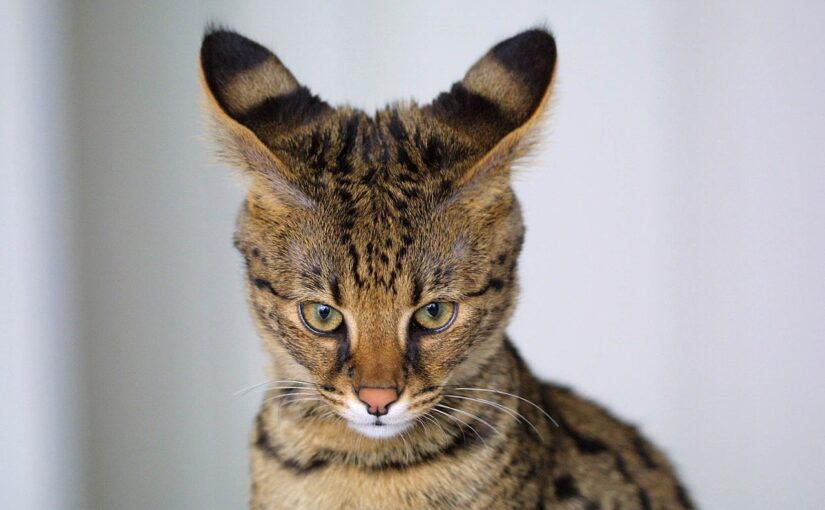
For cat enthusiasts seeking something extraordinary, the Savannah cat represents a fascinating bridge between the wild and the domestic. This striking breed combines the exotic appearance of an African serval with the companionable nature of a house cat, creating a truly unique feline experience. Whether you’re considering welcoming one into your home or simply curious about these remarkable animals, understanding what makes Savannahs special can deepen your appreciation for this captivating breed.
A Breed Born from Bold Experimentation
The Savannah cat’s story begins in the 1980s when breeder Judee Frank successfully crossed a male African serval with a domestic Siamese cat. The resulting kitten, born in 1986, captured the imagination of feline enthusiasts worldwide. Named after the serval’s natural habitat, the Savannah quickly attracted breeders who saw potential in developing this hybrid into a recognized breed. The International Cat Association officially recognized Savannahs in 2001, though the journey to widespread acceptance took considerable dedication and careful breeding practices.
Generations of Savannahs are designated by filial numbers, with F1 being a first-generation cross between a serval and a domestic cat, containing approximately 50 percent serval genetics. Each subsequent generation (F2, F3, and beyond) contains progressively less serval DNA as breeders continue crossing with domestic cats. This generational distinction matters significantly for both legal ownership requirements and the cat’s temperament, with later generations typically exhibiting more domesticated behaviors while retaining the breed’s distinctive appearance.
An Unmistakable Appearance
Walking into a room with a Savannah cat feels like encountering a miniature leopard. These tall, lean felines possess long legs, large ears perched high on their heads, and distinctive spotted or marbled coats that immediately catch the eye. Their golden, tan, or silver backgrounds showcase bold black or dark brown spots that run the length of their bodies, while some individuals display striking striped patterns along their backs and tails.
Size varies considerably depending on generation and individual genetics. Early-generation Savannahs can weigh between 12 and 25 pounds, with some males reaching even larger proportions. Their bodies appear elongated and athletic, built for jumping and climbing rather than lounging. Those expressive eyes, often hooded and teardrop-shaped like their serval ancestors, range from golden yellow to vibrant green, adding to their wild mystique.
Personality That Defies Expectations
Don’t let their exotic appearance fool you into expecting a typical lap cat. Savannahs possess boundless energy and intelligence that demands engagement. These cats exhibit dog-like loyalty, often following their favorite humans from room to room and greeting them enthusiastically at the door. Many Savannahs can be trained to walk on leashes, play fetch, and even perform tricks, making them ideal for owners who enjoy interactive play and training sessions.
Their social nature extends to other pets when properly introduced, though their high prey drive means caution around small animals like hamsters or birds. With other cats and cat-friendly dogs, Savannahs typically thrive, often appreciating the companionship and play opportunities. However, their energetic antics might overwhelm more sedentary or elderly pets. Early socialization proves crucial for developing well-adjusted adults who handle various situations with confidence rather than anxiety.
Meeting Their Unique Needs
Feeding a Savannah requires attention to their active metabolism and protein requirements. High-quality cat food rich in animal proteins supports their energy levels and muscular build. Some owners supplement with raw or wet food diets, though consulting with a veterinarian familiar with the breed helps ensure nutritional balance. These cats drink copiously and many show fascination with running water, making fountains excellent additions to their environment.
Grooming remains relatively straightforward despite their exotic lineage. Weekly brushing maintains their short to medium coats and reduces shedding. Their active nature means nails need regular trimming to prevent damage during their enthusiastic climbing and jumping sessions. Health-wise, Savannahs generally enjoy robust constitutions, though early generations may face reproductive challenges. Some lines show susceptibility to hypertrophic cardiomyopathy, a heart condition affecting many cat breeds. Regular veterinary checkups and maintaining a healthy weight contribute to longevity, with many Savannahs living 12 to 20 years.
Thriving Together
Savannah cats suit active households prepared to meet their substantial enrichment needs. Families with children old enough to respect boundaries often find these cats make engaging companions, though their size and energy require supervision during play. Single owners who spend quality time interacting with their cats discover devoted, entertaining friends. Multi-pet homes work well when the Savannah receives adequate attention and exercise to prevent boredom-driven mischief.
Creating vertical space through tall cat trees, shelving systems, and secure outdoor enclosures (catios) allows Savannahs to satisfy their climbing instincts safely. Puzzle feeders, interactive toys, and regular play sessions challenge their sharp minds. Training opportunities abound with this intelligent breed, from basic commands to complex tricks. Positive reinforcement methods work beautifully, strengthening the human-cat bond while channeling their energy productively.
Fascinating Savannah Trivia
These remarkable cats can leap up to eight feet vertically from a standing position, a trait inherited from their serval ancestry. Unlike many domestic cats, Savannahs often enjoy water, with some happily joining their owners in showers or playing in sinks. Their vocalizations range from typical meows to chirps and hisses reminiscent of their wild heritage. Some Savannahs have achieved minor celebrity status on social media, captivating millions with their striking looks and playful antics.
A Companion Unlike Any Other
The Savannah cat offers an extraordinary experience for the right owner. Their wild beauty, combined with affectionate and playful temperaments, creates a companion that feels both exotic and deeply connected to their human family. While they demand more time, space, and engagement than typical house cats, the reward comes in forming a bond with an intelligent, loyal, and endlessly entertaining feline friend. Whether you’re drawn to their stunning appearance or their dynamic personalities, Savannahs remind us that cats continue to surprise and delight us in wonderfully unexpected ways.
Image: Close-up of a 4-month old F1 Savannah cat. Notice the occelli on the back of the relaxed ears, and the tear-stain markings which run down the side of the nose. Jason Douglas.