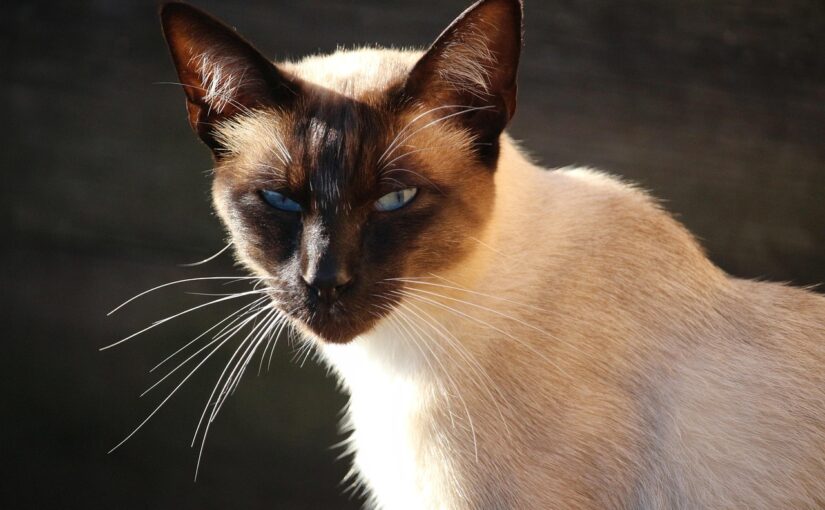
Few feline breeds captivate the heart quite like the Siamese cat. With their striking blue eyes, distinctive coloring, and remarkably vocal personalities, these elegant creatures have been enchanting humans for centuries. Originally from Thailand, the Siamese cat carries a royal legacy that stretches back through generations of kings and temple guardians. Today, they remain one of the most recognizable and beloved cat breeds worldwide, though their journey from sacred temple cat to popular household companion is filled with fascinating twists and turns.
A Royal Heritage: Origins and History
The Siamese cat’s story begins in ancient Siam, modern-day Thailand, where these remarkable felines likely descended from sacred temple cats. For generations, they served as treasured companions to kings and religious leaders, entrusted with guarding precious documents and valuables within Buddhist temples. Their role went far beyond simple companionship. According to tradition, when a Siamese king died, his soul would pass into a Siamese cat, allowing the royal spirit to attend the coronation of the next king before ascending to heaven.
Such reverence meant that Siamese cats were rarely given to outsiders, making them precious commodities in their homeland. The first official pairs to leave Siam arrived in Great Britain during the late 19th century as gifts from the King of Siam to Owen Gould, the British consul in Bangkok. These cats quickly made their debut at British cat shows and soon after appeared at American exhibitions, beginning their conquest of Western hearts.
Walt Disney brought the breed into popular culture with the animated film Lady and the Tramp, though the portrayal of scheming Siamese cats arriving with the aunt actually gave them an undeserved reputation as malicious and difficult. This cartoon mischaracterization lingered for years, painting them as strange and problematic when nothing could be further from the truth.
Distinctive Beauty: Physical Characteristics
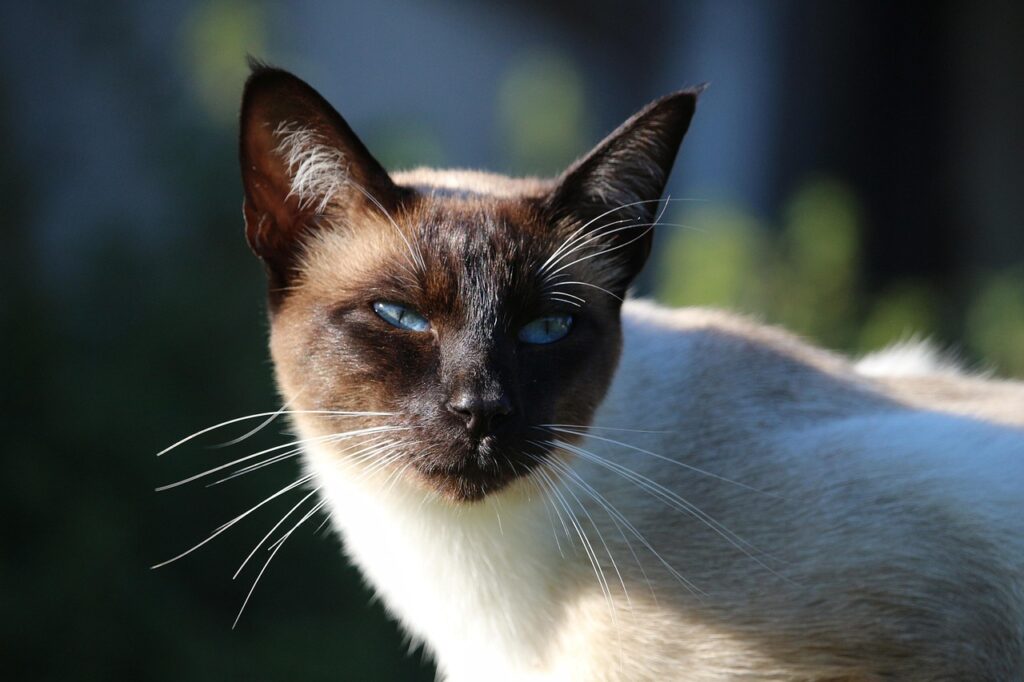
Siamese cats are born white or cream-colored, a fact that surprises many admirers of the breed. Their signature pointed coloring develops as they mature, creating one of nature’s most elegant demonstrations of temperature-sensitive pigmentation. The cooler extremities of the body produce darker coloring, which explains why their face, ears, paws, and tail display deeper shades while the body remains lighter.
Their physical appearance is unmistakable. Large, pointed ears frame a long, elegant face, while slanted eyes in piercing sapphire blue create an expression that seems to look straight into your soul. Those mesmerizing blue eyes rank among the most striking features of any cat breed. Their sleek, short coat requires minimal grooming, making them relatively low-maintenance in terms of physical care. The lanky, athletic build gives them a graceful appearance that speaks to their active nature.
Decades ago, cross-eyed Siamese cats were common, but selective breeding has largely eliminated this trait. However, Siamese cats still have poorer vision than many other breeds and face greater risk of being struck by vehicles if allowed outdoors after dark.
Siamese vs. Thai: Understanding the Difference
Mid-20th century cat breeders decided to “refine” the Siamese appearance, making them more delicate and elongated. By the early 21st century, this modern Siamese had transformed almost beyond recognition. These contemporary versions feature extremely wedge-shaped heads with very large triangular ears, creating an appearance that sometimes looks unnatural and can even lead to birthing difficulties.
Thai cats, by contrast, represent the classic Siamese type. While “classic Siamese” or “traditional Siamese” aren’t official breed designations, Thai cats maintain the original build and proportions that Siamese cats possessed before selective breeding altered their appearance. Many enthusiasts prefer this traditional look, appreciating its more natural proportions and avoiding the health complications that can accompany extreme breeding. As one devoted owner puts it: “Nothing beats a Siamese cat. Stick with the original.”
Personality and Social Behavior
If you’re looking for a quiet, independent cat, the Siamese is not your breed. These cats believe that purring or friendly head butts are inadequate forms of communication. They talk to their human servants day and night, and if you won’t engage in dialogue, they’re perfectly content delivering running monologues to enlighten you about their day. Siamese fans insist these aren’t meaningless meows but genuine attempts at conversation. They’ll scold you when you’re not paying attention and speak to you as if you should understand their language perfectly well.
Siamese cats are affectionate, intelligent, and anything but reserved. They thrive on being the center of attention and prefer company throughout the day. The moment you sit down, expect to find your Siamese in your lap. They crave constant contact and can become incredibly upset, even developing a form of separation anxiety if left alone too long. Attention-seeking behavior comes naturally to them.
These cats experience mood swings, playful one moment and sulky the next. They’re prone to jealousy toward other cats and even people, though they generally integrate well into families with children and cat-friendly dog breeds. They remain friendly toward visitors while maintaining strong bonds with their primary caregivers.
Care Requirements and Health Considerations
Daily play and interaction aren’t optional luxuries for Siamese cats but essential requirements for their emotional and mental well-being. You don’t want this cat getting bored while you’re away, or you might return home to discover they’ve entertained themselves with mischief. The companionship of another Siamese or comparably active breed can help keep a lonely Siamese content during your absence, though nothing replaces human interaction. Keep in mind that two Siamese cats can cause twice the trouble while you’re out earning money for cat food.
Female Siamese cats reach sexual maturity early, sometimes becoming sexually active as young as six months. The temperature-dependent pigmentation means their body temperature affects their coloring, with modern Siamese often showing body temperatures too high to produce much pigmentation, resulting in pale to medium sepia tones.
The breed’s short coat needs only minimal grooming, but their high energy levels demand environmental enrichment. Puzzle feeders, climbing structures, and interactive toys help channel their intelligence and athleticism constructively. Siamese cats have been crossbred with many other breeds to create numerous new varieties, testament to their desirable genetic traits.
Living with a Siamese
Siamese cats suit households that can provide constant companionship and engagement. Single owners who work long hours might struggle unless they can arrange for midday visits or adopt a second cat. Families with older children who understand how to interact respectfully with cats often make excellent matches, as do multi-pet homes where the Siamese has playmates.
Training a Siamese cat is surprisingly feasible given their intelligence. They can learn to fetch, walk on a leash, and perform tricks, responding well to positive reinforcement. Their need for mental stimulation means puzzle toys and rotating entertainment options prevent destructive boredom behaviors.
Fascinating Siamese Facts
Siamese kittens are born entirely white or cream, with their distinctive points developing over their first few weeks of life. The cooler the environment, the darker their points will become. Some Siamese cats living in warmer climates maintain lighter coloring throughout their lives than those in colder regions.
Their vocal nature has earned them the nickname “the talking cat.” Siamese voices carry a unique tone that some describe as raspy or even baby-like, quite different from the standard cat meow. They use different vocalizations for different needs, and devoted owners often learn to distinguish between “I’m hungry,” “play with me,” and “I’m lonely” calls.
Finding Your Perfect Companion
The Siamese cat offers devoted companionship wrapped in an elegant package, but they’re not for everyone. Their demanding nature requires owners willing to provide substantial time and attention. If you work long hours, travel frequently, or prefer a more independent pet, consider whether you can truly meet a Siamese cat’s needs.
However, for those ready to embrace an interactive, affectionate, and endlessly entertaining feline friend, the Siamese delivers unmatched loyalty and personality. Their ancient royal heritage shines through in their bearing, while their talkative nature ensures you’ll never feel alone. Whether you choose the classic Thai-style Siamese or appreciate the refined modern version, you’re welcoming centuries of feline sophistication into your home. Just be prepared for constant conversation, unwavering companionship, and a cat who believes they’re the rightful ruler of your household—because in their mind, they absolutely are.
Cat Fanciers’ Association (CFA) – Siamese Breed Page
https://cfa.org/breed/siamese/
The CFA is the oldest cat registry in North America and recognizes the four original Siamese colors (seal point, chocolate point, blue point, and lilac point).
The International Cat Association (TICA) – Siamese Breed Page
https://tica.org/breed/siamese/
TICA is a large international cat registry that recognizes Siamese as one of the oldest and most recognizable cat breeds, serving as the parent breed for the Siamese Breed Group.
Governing Council of the Cat Fancy (GCCF) – Siamese Breed Page
https://www.gccfcats.org/getting-a-cat/choosing/cat-breeds/siamese/
The GCCF is the UK’s premier cat registry organization and provides comprehensive information about the Siamese breed’s history and standards, including details about the first Siamese cats imported to Britain
Images by rihaij.