Cat lovers around the world have long admired the elegant felines that originated in Thailand, but 2025 marked a historic milestone for these remarkable breeds. In late 2025, Thailand officially recognized five native cat breeds as national symbols: the Suphalak, Korat, Wichien Maat (Siamese), Konja, and Khao Manee. This momentous decision celebrates centuries of cultural heritage and acknowledges the special place these cats hold in Thai history and hearts.
For a country with such deep connections to feline companions, this recognition feels like coming full circle. These aren’t just cats. They’re living links to ancient manuscripts, royal courts, and traditional beliefs that have shaped Thai culture for generations.
Ancient Manuscripts and Sacred Cats
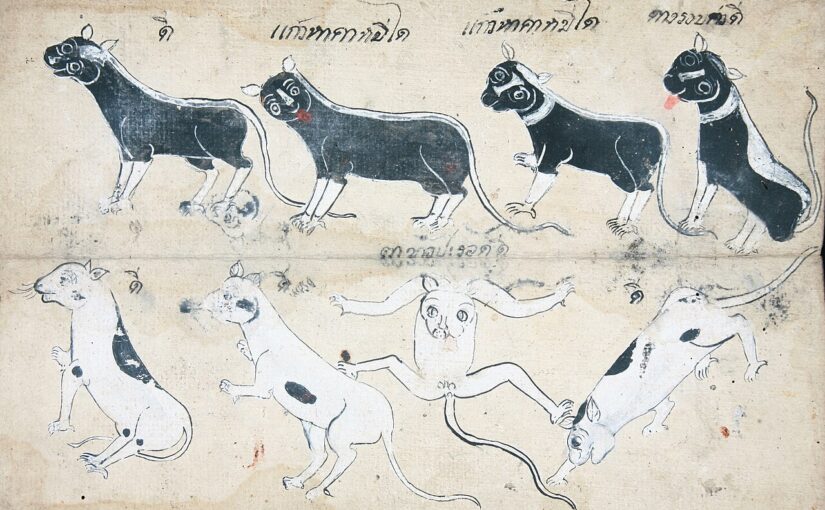
The story of Thailand’s native cats begins in the pages of the Tamra Maew, or Cat-Book Poems, an ancient manuscript dating back to the Ayutthaya period (1351-1767). This beautifully illustrated text describes cats that bring good fortune and those that don’t, offering a fascinating glimpse into how Thai society viewed different feline characteristics. Four of the five newly recognized breeds appear in these historical texts, proving their lineage stretches back hundreds of years.
These manuscripts weren’t merely descriptive catalogs. They served as guides for distinguishing auspicious cats from ordinary ones, elevating certain breeds to almost mythical status. The cats described in these pages were believed to bring prosperity, protect households, and even safeguard entire kingdoms.
The Korat: Silver-Blue Luck Bringer
Perhaps the most famous of Thailand’s native breeds, the Korat has been treasured for centuries as a symbol of good fortune. Named after the Nakhon Ratchasima province (often called Korat), these cats sport distinctive silver-blue coats that shimmer in the light and large, luminous green eyes that seem to peer into your soul.
Traditionally, Korats were never sold but given as precious gifts, particularly to brides as symbols of prosperity in marriage. Their heart-shaped faces and devoted personalities made them ideal companions in Thai households. Today, Korats remain relatively rare even in their homeland, making them all the more special to those lucky enough to share their lives with one.
Read more:
Korat Cat: The Silver-Blue Good Luck Charm From Thailand
Five Shades of Silver: The Blue Cat Breeds You Need to Know
The Wichien Maat: Siamese Royalty
Known internationally as the Siamese, the Wichien Maat (meaning “moon diamond”) represents one of the most recognizable cat breeds worldwide. But their Thai heritage runs deeper than most Western cat enthusiasts realize. These pointed beauties served as companions to Thai royalty and Buddhist monks, guarding temples and royal chambers with equal dedication.
The traditional Wichien Maat differs from the modern Western Siamese, with a more moderate body type and rounder face. Their striking blue eyes and distinctive color points made them objects of fascination when they first arrived in Europe and America in the 1800s. This national recognition helps preserve the traditional Thai type and honors the breed’s authentic heritage.
Read more: The Enchanting Siamese Cat: Ancient Royalty Meets Modern Companion
The Khao Manee: Diamond-Eyed Treasure
The Khao Manee, whose name translates to “white gem,” represents one of Thailand’s best-kept secrets until recent decades. These stunning all-white cats often possess odd-colored eyes, one blue and one gold or green, creating an ethereal appearance that captivated ancient Thai nobility. Some Khao Manees have two blue eyes, while others sport two golden eyes, but the odd-eyed variety remains most prized.
Reserved exclusively for Thai royalty for centuries, the Khao Manee was believed to bring good luck and longevity to its owners. Their rarity extended well into the modern era, with few examples existing outside Thailand until the late 20th century. Today’s recognition as a national symbol ensures this breed’s preservation and celebrates its unique place in Thai history.
The Suphalak: The Rare Copper Beauty
Less known internationally than its cousins, the Suphalak possesses a rich, copper-red coat that glows with warmth. This solid-colored breed appears in the ancient manuscripts as one of the most auspicious cats, believed to bring wealth and good fortune. The name roughly translates to “exceptional seed” or “splendid color,” fitting descriptions for these striking felines.
Suphalaks nearly disappeared from Thailand, with some experts fearing the breed had become extinct. However, dedicated preservation efforts have worked to maintain and rebuild Suphalak populations. This national recognition provides crucial support for these conservation initiatives.
The Konja: Mystery and Elegance
The Konja, sometimes called the Black Lanna, represents one of Thailand’s rarest breeds. These solid black or dark brown cats possess an elegance that captivated ancient Thai society. With their sleek coats and amber or green eyes, Konjas embodied sophistication in the royal courts.
Like the Suphalak, the Konja faced near extinction, making this official recognition particularly significant for preservation efforts. Thai breed enthusiasts have worked tirelessly to locate, document, and preserve remaining Konja bloodlines.
A New Chapter for Ancient Breeds
Thailand’s decision to recognize these five breeds as national symbols represents more than ceremonial acknowledgment. It provides crucial support for preservation efforts, raises international awareness, and celebrates cultural heritage. For cat lovers worldwide, this recognition shines a spotlight on breeds that deserve wider appreciation and understanding.
These aren’t designer cats created through modern breeding programs. They’re living history, survivors of centuries who’ve maintained their distinctive characteristics through generations. Each breed tells stories of ancient kingdoms, Buddhist temples, royal households, and the everyday Thai people who cherished these remarkable companions.
As these five breeds step into their new role as national symbols, they carry forward traditions, myths, and cultural significance that span centuries. For those of us who adore cats, Thailand’s recognition reminds us that felines aren’t just pets but cultural treasures worthy of preservation and celebration.
Image: Tamra khao manee cat in Bangkok in number 241