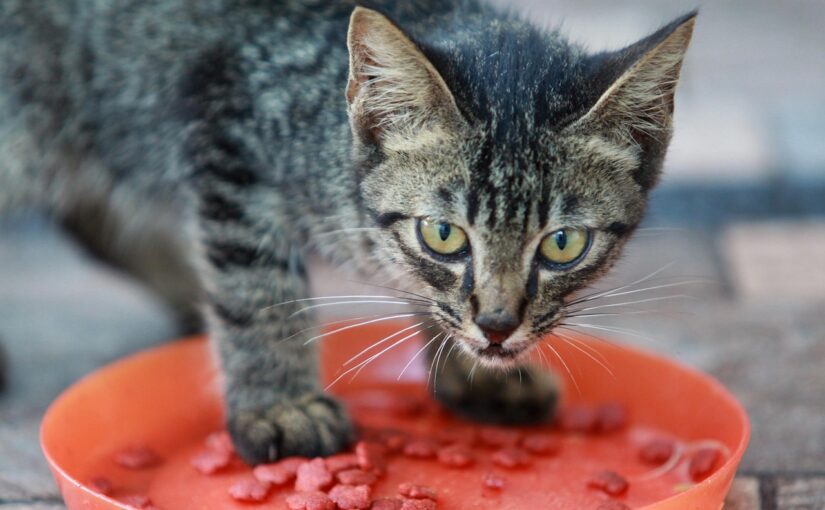
You scoop a generous portion of gourmet salmon pate into a clean dish, expecting the usual purrs of appreciation. After all, yesterday your feline companion licked this exact recipe clean, practically begging for seconds. But today is different. Your cat saunters over, takes a single brief sniff, and looks up at you with an expression of profound betrayal. With a dramatic sigh, they scratch the floor around the bowl as if attempting to bury toxic waste, turn on their heel, and walk away.
If this scene feels painfully familiar, you are certainly not alone. Dealing with a picky cat can be one of the most baffling and frustrating experiences of pet parenthood. You find yourself staring at an expensive cabinet full of premium canned foods, wondering why the culinary masterpiece that was a triumph on Tuesday is treated like poison on Wednesday. It is easy to feel defeated, anxious, and even a little annoyed when your efforts to provide the best possible nutrition are met with such stony rejection.
The good news is that this behavior is incredibly common, and it rarely means you are doing a bad job. Cats are unique creatures with a complex relationship with their food, shaped by millions of years of evolutionary history. By understanding the underlying reasons for their behavior and adopting a patient, compassionate approach, you can transform mealtime from a daily battle of wills into a peaceful, bonding experience.
Understanding the Feline Mind and the Roots of Selective Eating
To understand why a picky eater cat behaves the way they do, we have to look at the world through their eyes, and more importantly, through their noses. Cats are not just small dogs, and they certainly do not view eating the same way humans do. Their wild ancestors were solitary hunters who had to be incredibly careful about what they consumed. In the wild, eating the wrong thing could easily lead to illness or death. This evolutionary caution lives on in your living room.
The Power of Feline Instinct and Neophobia
One of the primary drivers of food refusal is a phenomenon known as neophobia, which is a natural, instinctive suspicion of new foods. If a cat is presented with a texture or smell they do not recognize, their brain immediately flags it as a potential hazard. This is not your cat being difficult on purpose. Rather, it is a highly successful survival mechanism designed to keep them safe. Understanding this can help you feel less frustrated when a new, high-quality can of food is rejected without a single taste.
Early Life Lessons and Environmental Stress
Another fascinating aspect of feline biology is early food imprinting. During the first few months of life, kittens learn what is safe to eat from their mothers and their initial environments. If a kitten is raised exclusively on a diet of dry kibble, they may grow up to view wet food not as a delicious treat, but as an unrecognizable, scary substance. This early programming can make switching cat food later in life a delicate process that requires patience and steady guidance.
Our homes may feel safe and stable to us, but even minor changes can trigger environmental stress for a highly sensitive feline. Cats are creatures of habit who find comfort in predictability. A new piece of furniture, a visiting relative, loud construction work next door, or even a slightly shifted feeding schedule can create enough anxiety to suppress a cat appetite. When a cat feels anxious, their body enters a mild state of alert, making eating the last thing on their mind.
The Impact of Heat and Outdoor Adventures
We should also consider external factors like the weather and hormonal shifts. Just like humans, many cats experience a drop in appetite during the hot summer months. When the temperature climbs, they tend to lounge in the coolest spots of the house, burning fewer calories and naturally requiring less food. Similarly, unneutered cats, particularly females in heat, experience dramatic hormonal fluctuations that can temporarily override their interest in dinner.
If your cat has access to the outdoors, there is also the very real possibility that they are living a double life. An outdoor cat might be practicing their natural hunting skills on local mice, or perhaps they have charmed a neighbor into sharing high-quality treats. If they are returning home with a full belly, your carefully prepared meal will naturally go untouched.
Ruling Out Health Issues Before Assuming Pickiness
While we often chalk up a sudden rejection of dinner to feline drama, it is absolutely essential to rule out medical causes before assuming you simply have a picky cat. Sudden cat food refusal is one of the most common ways a cat communicates that they are not feeling well. Because cats are masters at hiding discomfort, a loss of appetite might be the only visible clue that something is wrong.
🚨 When Food Refusal is a Medical Signal
Dental pain is a frequent culprit behind sudden food refusal. If a cat has a cracked tooth, inflamed gums, or feline resorptive lesions, chewing can become incredibly painful. They might walk up to the bowl, look at the food longingly, and even take a bite, only to drop it or spit it out with a hiss of discomfort. If you notice your cat tilt their head unusually while chewing, or if they suddenly prefer wet food over dry because it requires less effort, a veterinary dental check is highly recommended.
Stomach upsets, nausea, and internal discomfort can also make food look unappealing. Furthermore, cats rely almost entirely on their sense of smell to stimulate their appetite. If your cat is suffering from an upper respiratory infection, a stuffed-up nose means they cannot smell their food at all. To a cat, food that cannot be smelled is not food. If they also seem lethargic, weak, or unusually quiet, these are clear signs that a trip to the clinic is necessary.
The Danger of Prolonged Fasting
As a dedicated cat parent, it is vital to know when a cat won’t eat becomes an urgent medical emergency. If an adult cat refuses food completely for about twenty-four hours, you should contact your veterinarian for advice. Unlike humans or dogs, cats are highly susceptible to a serious condition called hepatic lipidosis, or fatty liver disease, when they stop eating. This dangerous condition can develop quickly when a cat fasting state causes the body to mobilize fat stores too rapidly, overwhelming the liver. Never attempt to starve a cat into accepting new food, as this approach is extremely dangerous and can lead to life-threatening complications.
Practical Ways to Encourage a Stubborn Eater
Once your veterinarian has given your cat a clean bill of health, you can begin exploring practical cat feeding tips to make mealtime more inviting. Often, small adjustments to how, where, and when you present food can make a world of difference.
Optimizing the Feeding Station
Let us start with the feeding station itself. Cats are incredibly vulnerable when they eat, and their instincts compel them to seek out secure locations. If their bowl is placed in a high-traffic area, next to a noisy washing machine, or close to their litter tray, they may feel too exposed to relax and enjoy their meal. Try moving the feeding station to a quiet, low-traffic corner where your cat can comfortably scan the room while eating.
The type of bowl you use also matters more than you might think. Plastic dishes are highly porous and tend to trap bacteria and old food odors over time, even after a thorough washing. Since your cat has a sense of smell that is far superior to yours, those lingering scents can be highly off-putting. Switching to ceramic or glass bowls can make a surprising difference. Additionally, many cats experience whisker stress, an uncomfortable sensation that occurs when their highly sensitive whiskers rub against the sides of a deep, narrow bowl. Opting for a wide, shallow dish or even a flat plate allows them to eat without constant sensory overload. Ensure the dish is stable and does not slide across the floor while they eat, which can be startling.
The Science of Temperature and Smell
Serving food at the right temperature is another simple trick that appeals directly to feline biology. In the wild, prey is consumed warm. Wet food straight from the refrigerator lacks aroma and feels unnatural to a cat. You can encourage a better cat appetite by serving canned food at room temperature or by warming it slightly in the microwave for a few seconds. Be sure to stir it thoroughly and test the temperature with your finger to ensure there are no hot spots that could burn their mouth. Warming the food releases its natural aromas, making it far more enticing.
Playtime as an Appetite Stimulant
Before you serve the meal, consider incorporating a quick play session into your routine. Cats are built for the cycle of hunting, catching, killing, eating, grooming, and sleeping. When we simply place a bowl of food on the floor, we skip the entire introductory sequence. Engaging your cat in five to ten minutes of active play with a feather wand or a toy mouse mimics the hunt. This physical activity not only burns energy but also triggers the natural hormonal cascade that stimulates hunger, boosting their appetite and making them much more eager to dive into their food.
How to Safely Transition and Experiment with Food
Do not be afraid to experiment with different types of food to discover what your companion prefers. Cats can be highly specific about both textures and proteins. Some favor smooth pates, while others prefer shredded meat in gravy or chunky stews. You might find that a combination feeding approach, offering a mix of high-quality dry kibble and wet food, provides the perfect balance of texture and nutrition. When looking for how to get a cat to eat, choosing recipes with high-quality ingredients and a strong, natural aroma can be the ultimate game-changer.
When you do decide to introduce a new diet, remember that slow and steady wins the race. Sudden changes can upset sensitive feline stomachs and trigger food rejection. A successful transition should take place over several weeks. Start by mixing a tiny, almost unnoticeable amount of the new food into their current favorite. Gradually increase the proportion of the new food over many days, giving their digestive system and their cautious minds plenty of time to adapt.
Simple Toppers and the Role of Treats
If you need an extra boost of appeal, you can try adding healthy food toppers to the bowl. Crushed freeze-dried chicken or salmon treats sprinkled on top can act like seasoning, enticing them to take those crucial first bites. A small splash of warm, unsalted fish broth or meat broth can also do wonders, provided it is completely free of harmful ingredients like onions and garlic. A few drops of high-quality fish oil can add both an irresistible scent and beneficial omega fatty acids. You can also introduce food puzzles or lick mats to make eating feel like a rewarding game, which appeals to their natural problem-solving instincts.
While these additions are wonderful, it is important to remember that treats should remain treats. It can be incredibly tempting to offer a handful of dry snacks when your cat refuses their wet food, simply because you want them to eat something. However, doing this too often can accidentally teach your clever companion that refusing a balanced meal will result in a shower of delicious treats. Keep snacks to a minimum during this training period to ensure they remain motivated for their main meals.
Navigating the Pitfalls of Cat Parent Anxiety
When we love our pets, seeing them reject their food can trigger a wave of worry. This anxiety often leads to well-intentioned mistakes that can inadvertently reinforce the very behavior we are trying to correct.
Avoid Becoming a Short-Order Cook
One of the most common traps is becoming a short-order cook. When your cat walks away from their bowl, your immediate instinct might be to open another can, and then another, trying to find something they will accept. While this comes from a place of deep love, it actually teaches your cat a clear lesson. They quickly learn that walking away from a dish triggers a wonderful buffet of new choices. Instead of encouraging them to eat, this cycle can actually train them to become even more selective.
The Danger of Changing Too Much Too Quickly
Another frequent error is changing multiple variables all at once. If you move their bowl, switch the brand of food, and introduce a new feeding schedule on the same day, your cat is likely to feel overwhelmed by the sudden shift. It is far better to make one minor adjustment at a time, allowing them to adjust to each change before introducing another.
We must also look at our own behavior during mealtime. If you place the bowl down and then hover over your cat with wide, anxious eyes, waiting breathlessly to see if they will take a bite, they will feel your tension. Cats are incredibly intuitive animals who pick up on our stress. If you are acting nervous around their food bowl, they might assume that there is something dangerous about the food itself. Try to place the bowl down calmly, walk away, and give them the space they need to explore their meal in peace.
Embracing the Journey with Patience and Routine
Helping a picky cat expand their culinary horizons is rarely an overnight success story. It requires a mindset of gentle persistence and consistency. Animal behaviorists often point out that it can take twenty or even thirty separate exposures to a new food before a cat finally decides it is safe and acceptable. If they sniff a new brand once and walk away, do not lose heart and assume they hate it forever. Keep offering tiny portions alongside their usual food, allowing them to get used to the sight and scent.
Why Repetition is the Key to Success
Creating a solid, predictable routine builds the confidence your cat needs to try new things. Feeding small, frequent meals at the same times every single day helps regulate their digestion and lets them know exactly when to expect food. This consistency reduces anxiety and helps build a healthy appetite. Remember that every cat is a unique individual with their own distinct history, preferences, and personality. What works beautifully for one might require a bit of tweaking for another, and that is perfectly okay.
The Path to Stress-Free Mealtimes
Living with a selective eater can test your patience, but it is also an opportunity to deepen your connection with your cat. By shifting your approach from frustration to curiosity, you can start to decode the subtle messages they are sending you. Whether they need a quieter corner to dine, a shallower bowl to protect their whiskers, or simply a little more time to trust a new flavor, your thoughtful adjustments will show them that they are safe and cared for.
With a touch of empathy, a consistent routine, and a healthy dose of patience, most picky cats can learn to enjoy their meals once again. Take a deep breath, trust the process, and remember that you are doing a wonderful job. Soon enough, the sound of the can opener will bring nothing but happy purrs and a clean bowl.