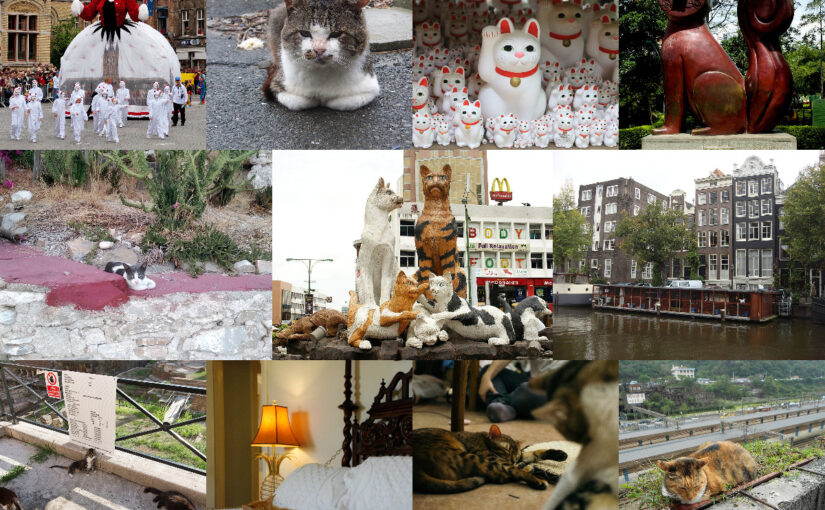
Cats have long captured human hearts, serving as silent companions, symbols of mystery, and even guardians of good fortune across cultures. From ancient myths to modern sanctuaries, these graceful creatures weave themselves into the fabric of societies worldwide. For travelers seeking more than just scenic views, the globe offers hidden gems where feline friends take center stage. This journey explores fourteen destinations that celebrate cats through history, art, and everyday affection, inviting you to discover places where purrs echo louder than tourist crowds.
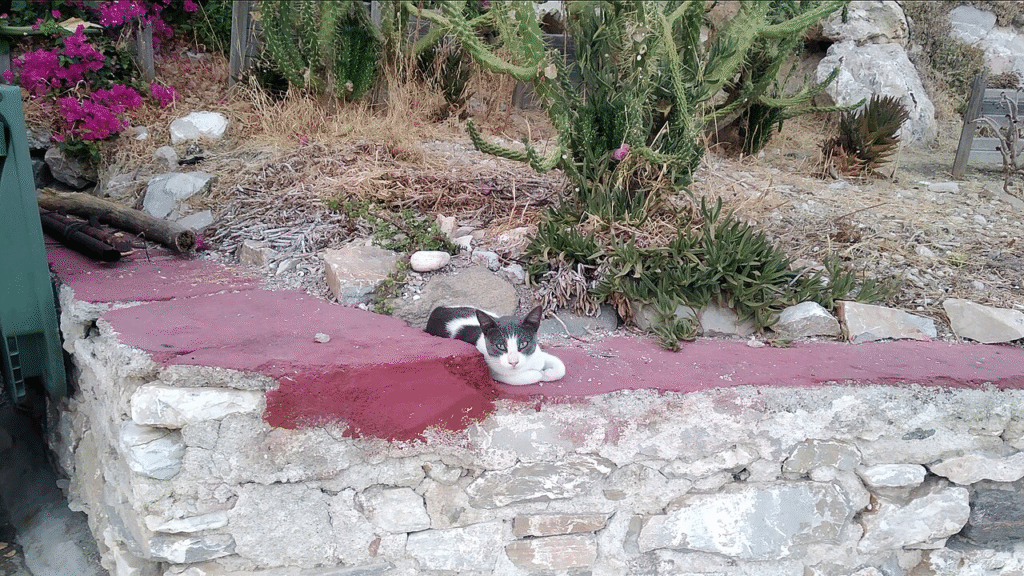
Begin in the sun-drenched Cyclades of Greece, where the island of Syros emerges as a feline paradise amid azure seas. Whitewashed homes climb hillsides under a relentless Mediterranean sun, and stray cats often curl up on sun-warmed steps, their eyes half-closed in contentment. Yet Syros distinguishes itself with God’s Little People Cat Rescue, a sanctuary perched on an ocean bluff that gained global attention in 2018 for its live-in volunteer program. Featured in the Netflix series Cat People, this haven rescues and rehabilitates cats while offering visitors a chance to connect deeply with the animals. During summer, the on-site Cat Cuddling Café opens its doors, serving cool drinks with a side of gentle strokes as waves crash below. The air carries a salty tang mixed with the faint scent of wild herbs, creating an atmosphere of serene escape. Here, volunteering feels less like work and more like a heartfelt exchange, underscoring the Greek tradition of communal care for strays that roam island villages like living talismans.
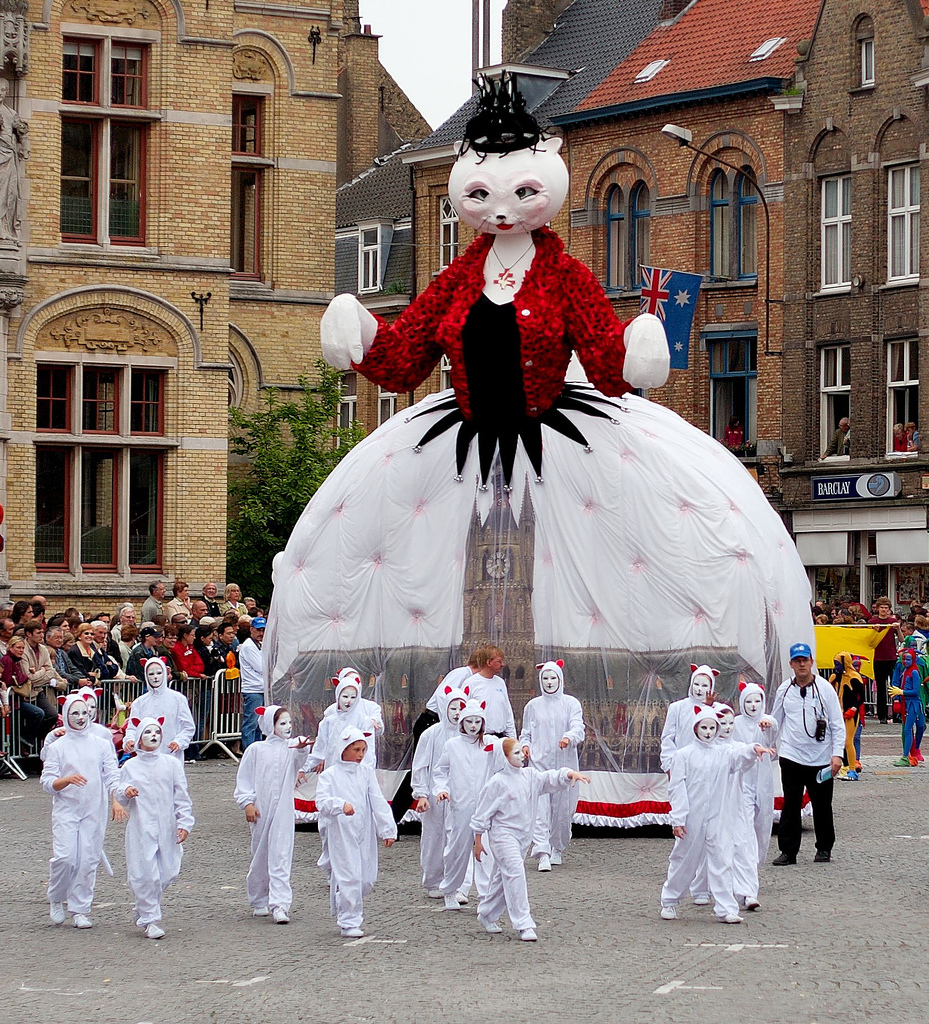
From the azure waters of the Aegean, the path leads northward to Ypres in Belgium, a town steeped in history yet alive with whimsical celebration. Narrow cobblestone streets whisper of World War I trenches, but every three years, the mood shifts to joy during the Kattenstoet, or Cat Parade. Originating in 1938 as a tribute to medieval customs where cats were tossed from church towers to ward off evil, a grim practice now replaced by playful reenactments, the event paused during the war and resumed in 1955. Picture vibrant floats gliding past Gothic facades under overcast skies, locals in elaborate cat costumes twirling to folk tunes, and storytellers sharing tales of feline folklore that blend humor with historical bite. The next parade arrives in May 2027, drawing crowds to Ypres’s central square where the air hums with laughter and the distant chime of bells. For cat enthusiasts, it’s a rare glimpse into how communities honor animals through ritual, turning past superstitions into a festival of unity.

Crossing the Atlantic to the United States, Key West, Florida, invites a literary twist on cat admiration. Ernest Hemingway’s former home, now a museum, stands as a sunlit relic amid tropical gardens bursting with bougainvillea. Inside, nearly 60 polydactyl cats, celebrated for their extra toes, roam freely. They are descendants of Snow White, the author’s own six-toed pet from the 1930s. These unusual felines, with paws like soft mittens, pad across polished floors and leap onto antique furniture. Their presence offers a living nod to Hemingway’s love for the islands’ rugged charm. Guided tours reveal the writer’s typewriter nook and lush grounds where cats nap in hammocks, the humid air filled with the rustle of palm fronds and the distant calls of conch horns. With over 74 million cats in America, as noted by population studies, this spot stands out for blending celebrity history with animal whimsy, allowing visitors to pet a piece of literary legacy.
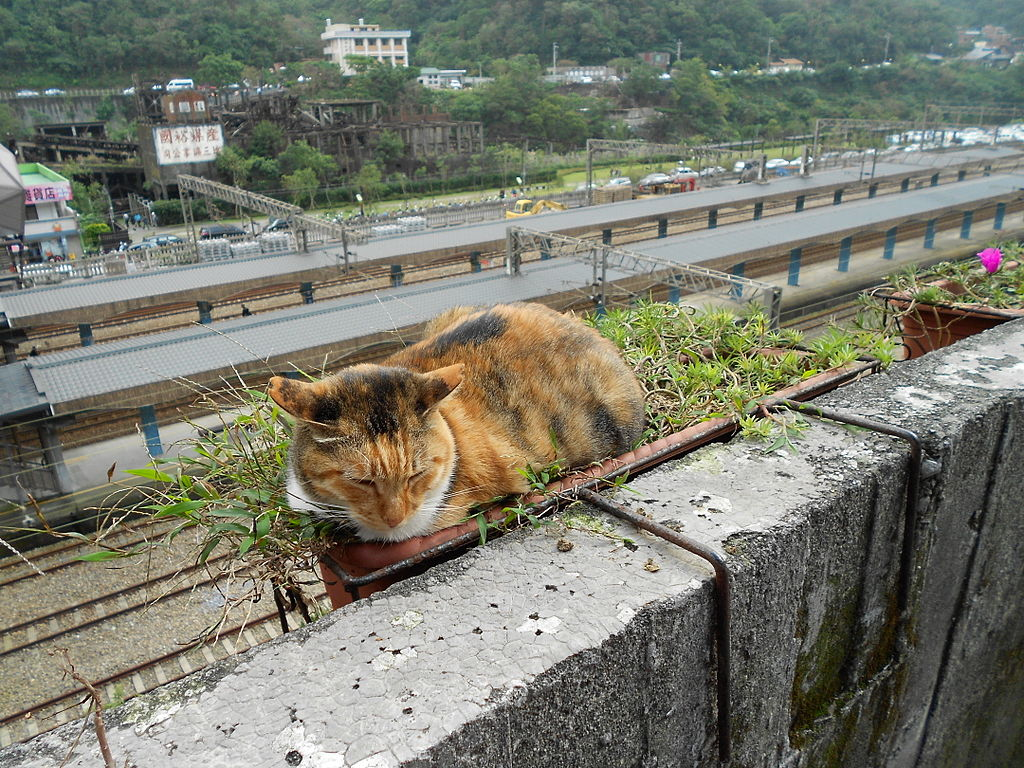
Venturing to Asia, Taiwan’s Houtong Cat Village offers a transformation story rooted in renewal. Once a bustling mining town in the misty hills near Taipei, Houtong now thrives as a feline utopia, reachable by a short train ride through verdant valleys. Over 200 cats, viewed as protective spirits in Taiwanese lore, claim the streets as their domain, weaving between visitors’ legs with confident meows. Feline-themed shops sell cat-ear headbands, while cafés serve matcha lattes amid murals of playful kittens. Elevated walkways, dubbed “catwalks,” span the village, letting cats prowl above the crowds as sunlight filters through bamboo groves, casting dappled shadows. The atmosphere buzzes with soft chatter and the occasional hiss of a territorial tabby, reflecting a cultural belief in cats as bringers of luck. This haven not only revives a fading community but also fosters a gentle bond, where humans and cats coexist in harmonious reinvention.
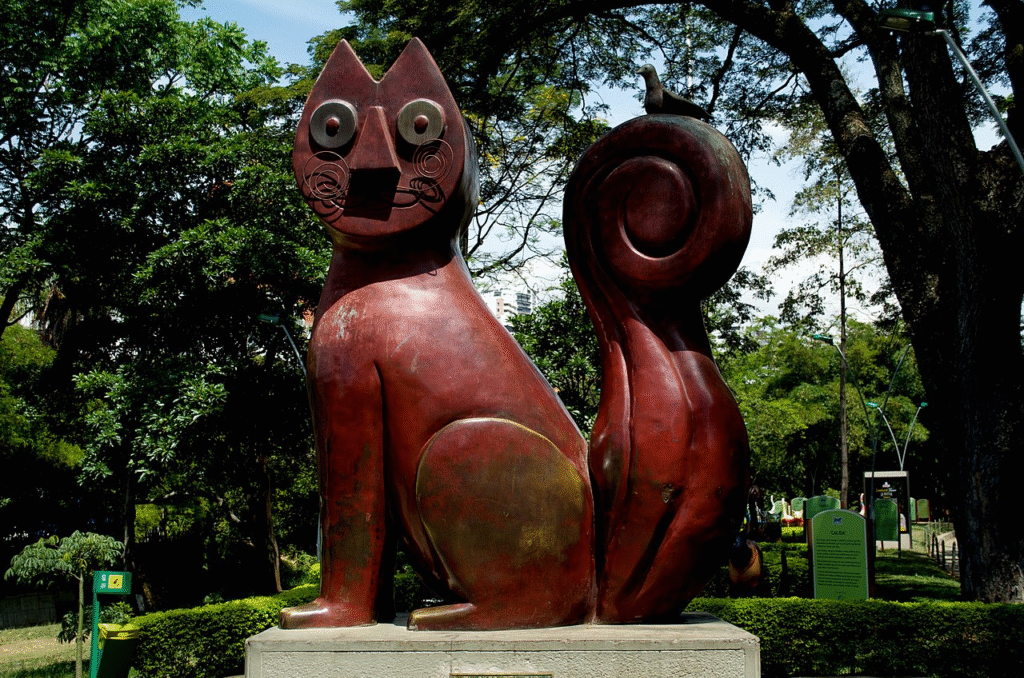
In South America, Cali’s Cat Park in Colombia provides a riverside interlude amid salsa rhythms. Nestled along the Cali River, the park’s paths wind past vibrant graffiti walls under the equatorial sun, offering respite from the city’s lively pulse. At its heart looms El Gato del Río, a bronze sculpture by Hernando Tejada, donated in the 1990s as a gift to his hometown. This majestic cat, frozen in a watchful pose, overlooks the water where egrets wade and children laugh. By 2006, local artists had painted additional cat statues in bold colors, emerald greens and fiery reds, dotting the green spaces, turning the park into an open-air gallery. Stroll here at dusk when the air cools and fireflies flicker, and you’ll sense the emotional tie: cats as symbols of playfulness in a culture famed for its joyous spirit. It’s a simple yet profound spot, where art and nature celebrate the feline form without fanfare.
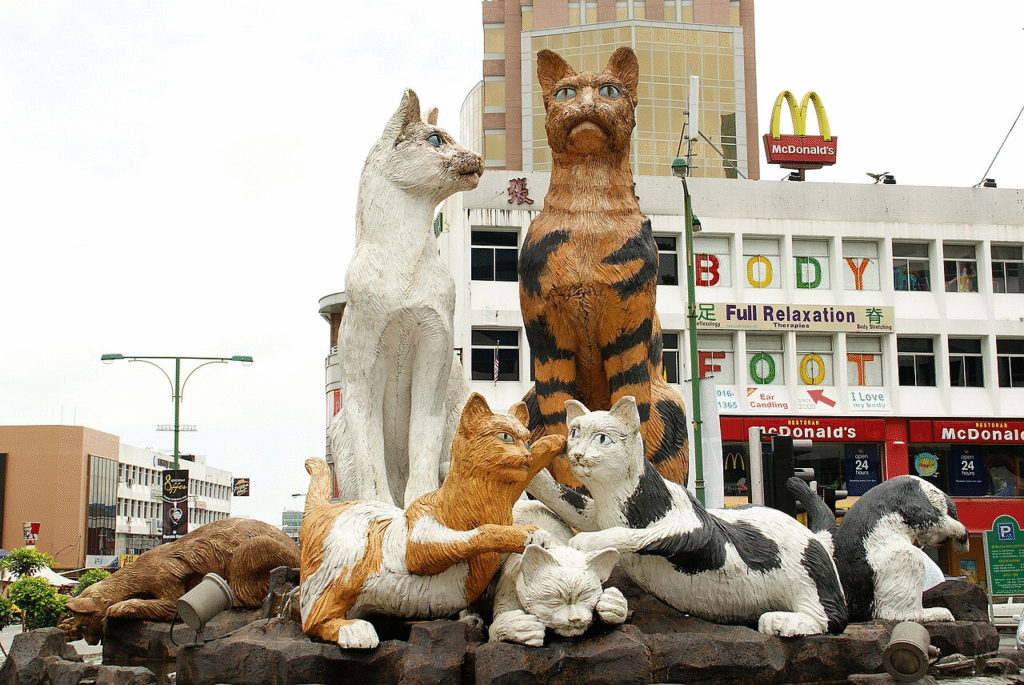
Further east in Borneo, Malaysia, Kuching embodies its name, which translates to “cat” in Malay, infusing the city with purposeful feline pride. Colonial-era shophouses line the Sarawak River, their verandas shaded by frangipani trees, and cat statues perch on every corner like vigilant sentinels. The city has leaned into this identity, erecting monuments that range from realistic bronze lions to whimsical cartoon figures. At the Cat Museum, housed in a modern building with panoramic views, exhibits unfold like a feline timeline: ancient artifacts from Malay folklore, historic photos of royal cats, and pop culture icons such as Hello Kitty and Garfield. The humid air inside carries a faint mustiness of old books, mingled with the soft patter of rain on the roof. Kuching’s embrace of cats speaks to a deeper cultural narrative, where these animals symbolize harmony and prosperity, drawing visitors to wander streets alive with both history and heart.
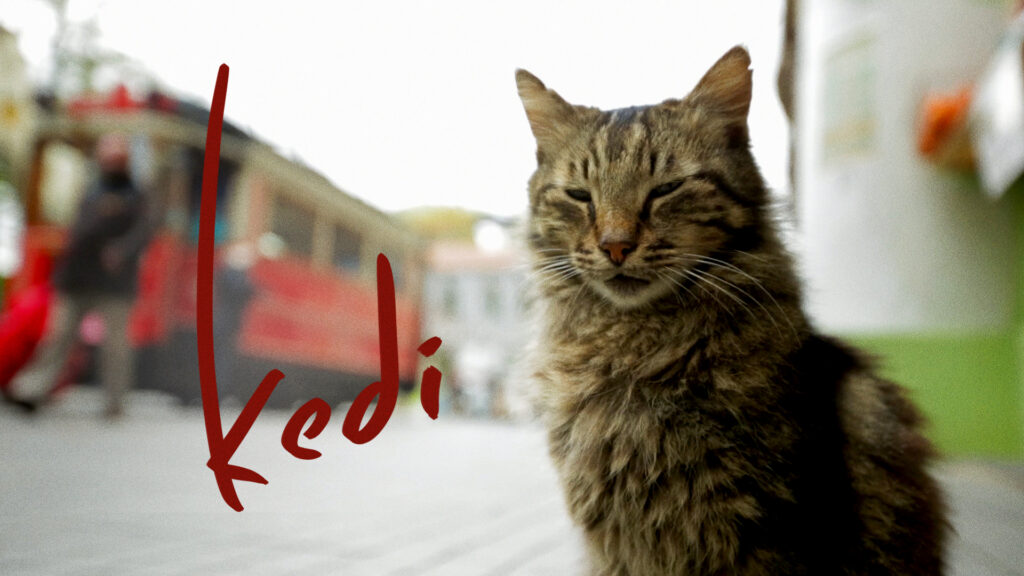
Straddling Europe and Asia, Istanbul reveals a profound, everyday reverence for cats that permeates its ancient soul. Minarets pierce the skyline over the Bosphorus, and in bustling bazaars, street cats slip through spice-scented alleys with effortless grace. Locals leave saucers of water and fish outside shops, a practice rooted in Islamic teachings that view cats as clean and worthy of compassion, for legend says that Prophet Muhammad himself cherished one. Watch a ginger tom curl up in a Grand Bazaar nook as merchants haggle nearby, the air thick with the aroma of simit bread and calls to prayer. Parks along the waterfront hum with families picnicking, cats weaving among them like trusted kin. For those unable to visit, the documentary Kedi captures this bond, following seven street cats through Istanbul’s labyrinthine lanes. It stands as a testament to unconditional care, showing how felines thrive not despite the chaos but because of the city’s warm embrace.
Read more: Kedi: More Than a Film About Cats—A Deep Dive into Istanbul’s Soul.
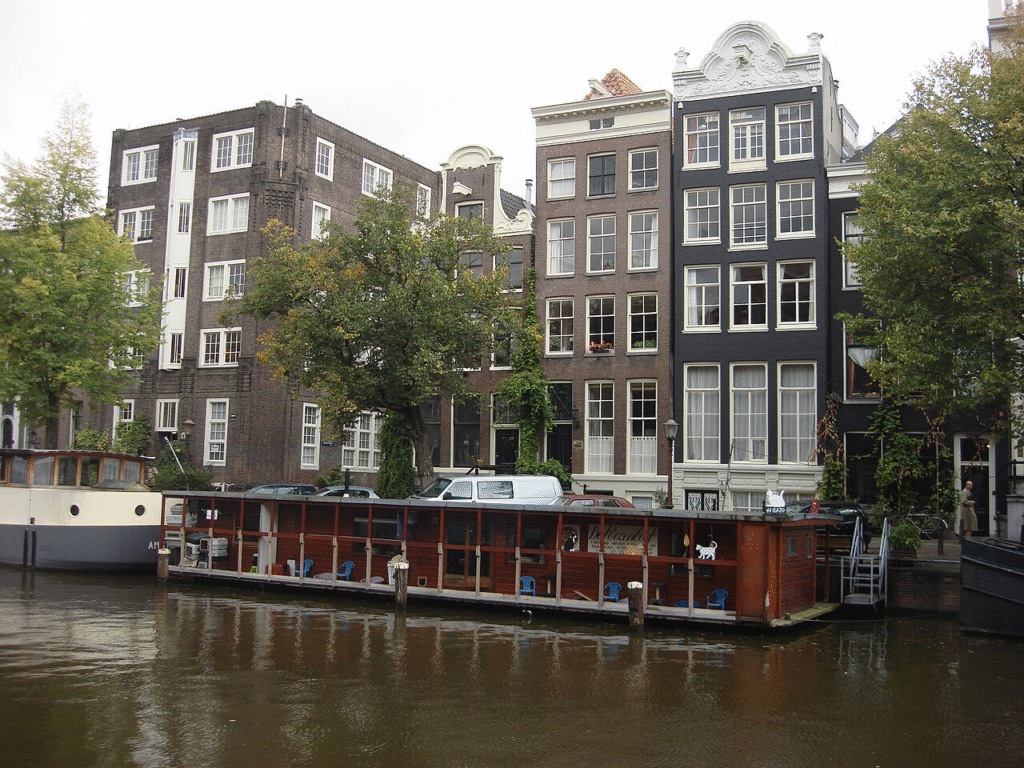
Back in Europe, Amsterdam’s canals reflect houseboat silhouettes at twilight, but one vessel stands apart: De Poezenboot, a floating sanctuary launched in 1968. Moored near the Singel canal, this houseboat-turned-refuge houses stray and abandoned cats in cozy enclosures, their contented purrs drifting over the water lapping gently against the hull. Entry costs nothing, though donations sustain the operation amid funding shortages. Volunteers tend to the residents, creating a quiet haven amid the bicycle bells and canal tour chatter. The atmosphere feels intimate, like peeking into a watery world of second chances, highlighting Dutch ingenuity in blending urban life with animal welfare. Cats here, from sleek blacks to fluffy calicos, embody resilience, mirroring the city’s own history of tolerant harbors.
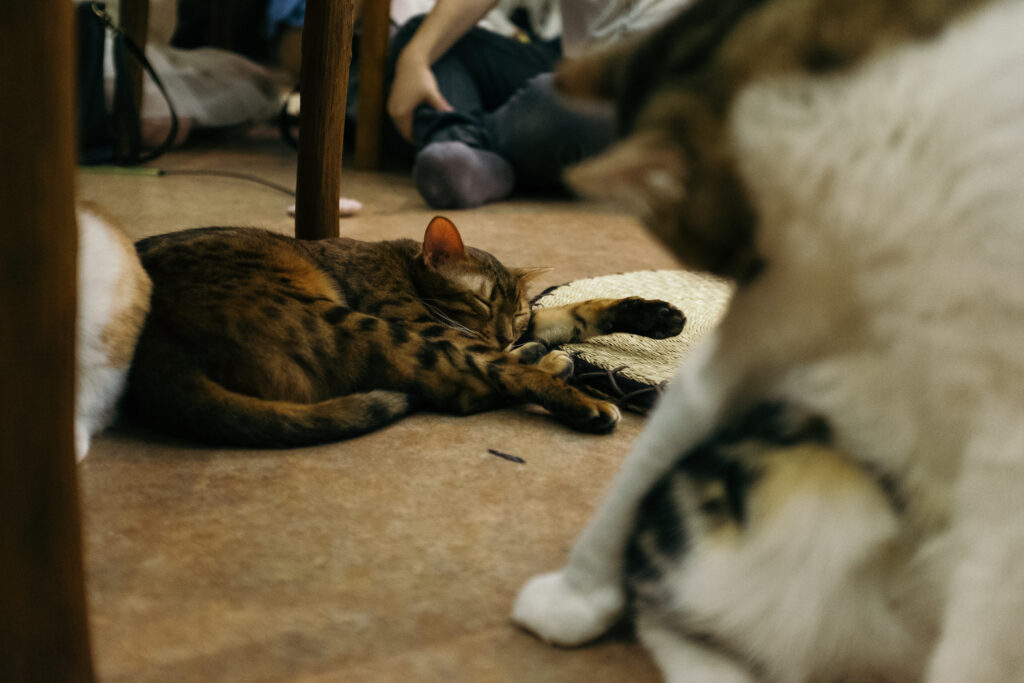
Japan’s cat culture invites deeper immersion, starting with Temari no Ouchi in Tokyo. Amid the neon hum of the city, this café unfolds like a wooden fairy tale, complete with multi-level platforms where cats leap and lounge. Sipping green tea, visitors watch tabbies navigate rope bridges under soft lantern light, the room filled with the rustle of paws on bark and faint jazz melodies. Born from Japan’s global cat café trend, this spot emphasizes relaxation, its friendly residents encouraging quiet bonds. It’s a pocket of calm in Tokyo’s rush, where cats serve as emotional anchors for stressed urbanites.
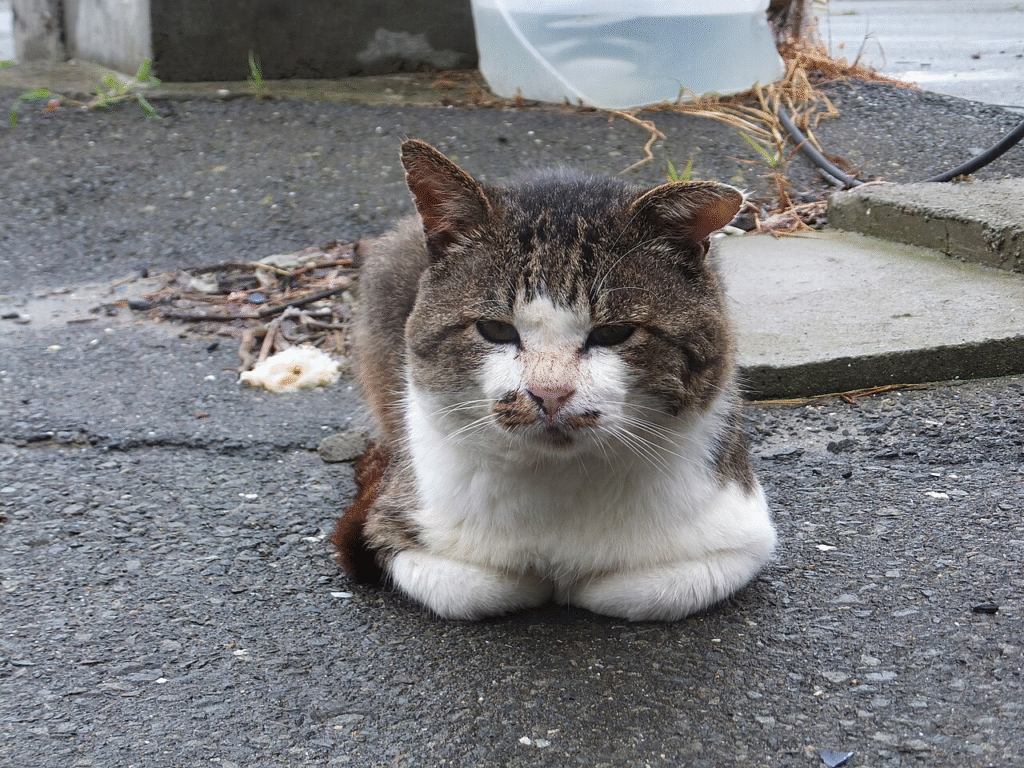
Nearby, Tashirojima, or Cat Island, off Japan’s northeast coast, presents a realm where felines reign supreme. Ferries arrive to quiet docks, greeted by cats padding across pebbled paths under salty sea breezes. With more cats than the island’s sparse human population, strays, fed and cherished by locals, roam terraced fields and fishing villages. Their numbers swelled historically as they protected silkworm farms from rodents. Sunsets paint the waves gold as cats gather on porches, creating a serene symphony of distant waves and soft mews. This haven offers unhurried peace, a living archive of human-feline symbiosis.
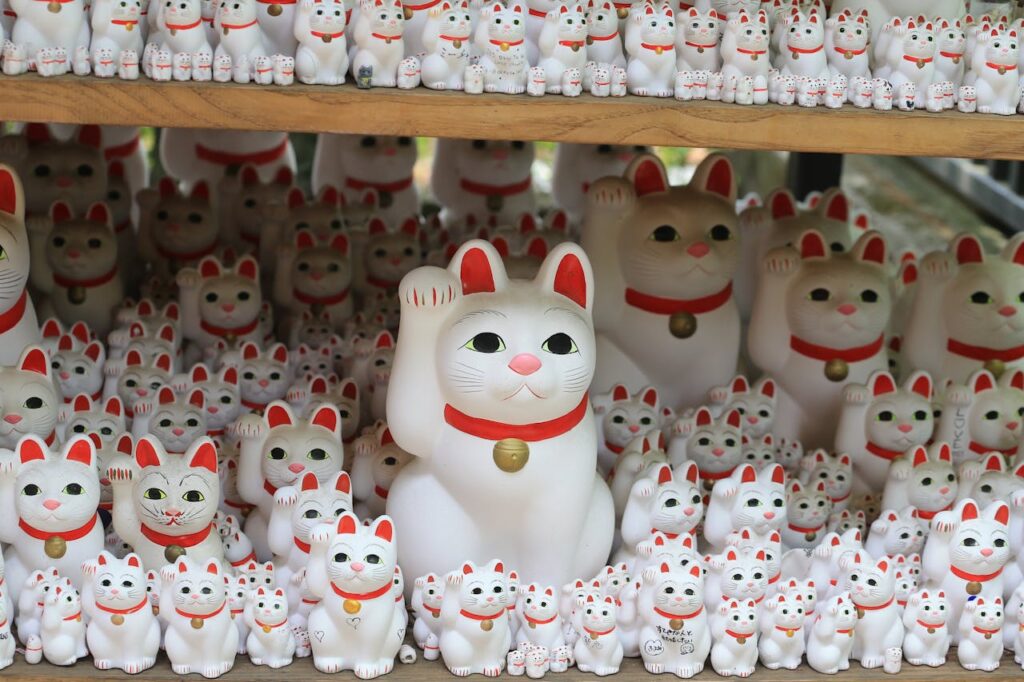
For a spiritual angle, Tokyo’s Gotokuji Temple provides meditative respite. Stone paths wind through cedar groves to thousands of maneki-neko statues, white porcelain cats with paws raised in beckoning fortune. Sunlight dapples the grounds, where visitors leave offerings amid the hush of wind chimes. Originating from Edo-period lore, these “beckoning cats” symbolize luck, their serene rows fostering reflection on prosperity’s quiet sources. The temple’s calm air invites contemplation, linking feline imagery to Japan’s enduring hope in small miracles.
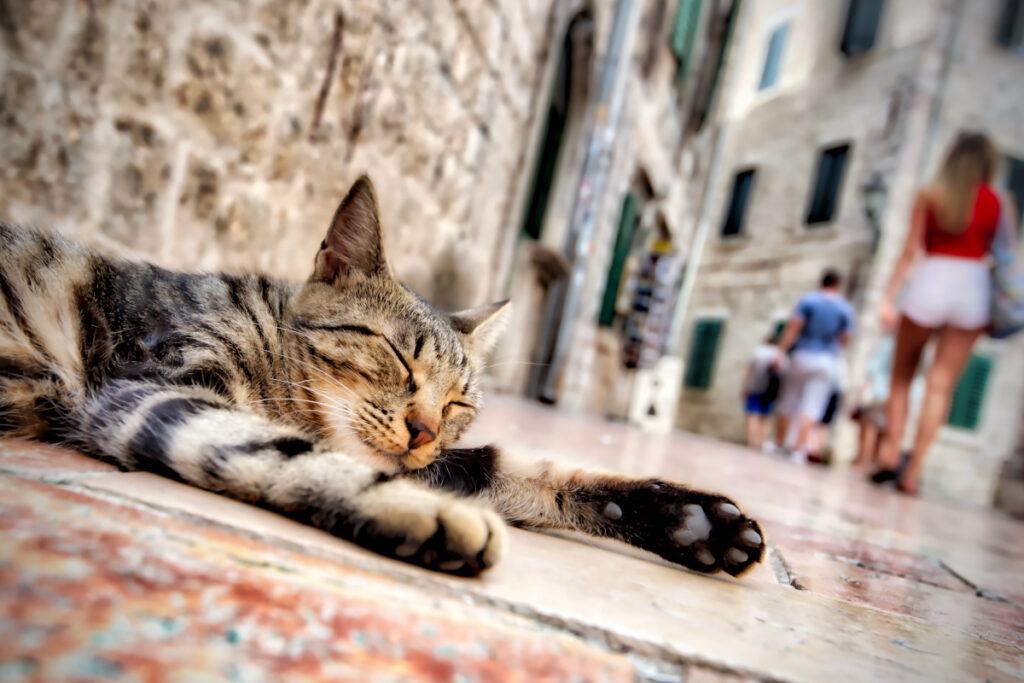
In Montenegro’s Kotor, Adriatic light bathes medieval walls, but cats steal the scene. Strays claim alley niches and café corners, treated as town treasures in this UNESCO gem. The Kotor Cat Museum displays art and relics in a stone-walled space, the cool interior echoing with tales of feline history. Wander bay-side paths where cats bask on sunlit quays, the salty breeze mingling with olive scents. This integration reflects Balkan warmth, cats as woven threads in the community’s tapestry.
Read more: Kotor’s Cats: A Purr-fect Haven in Montenegro.
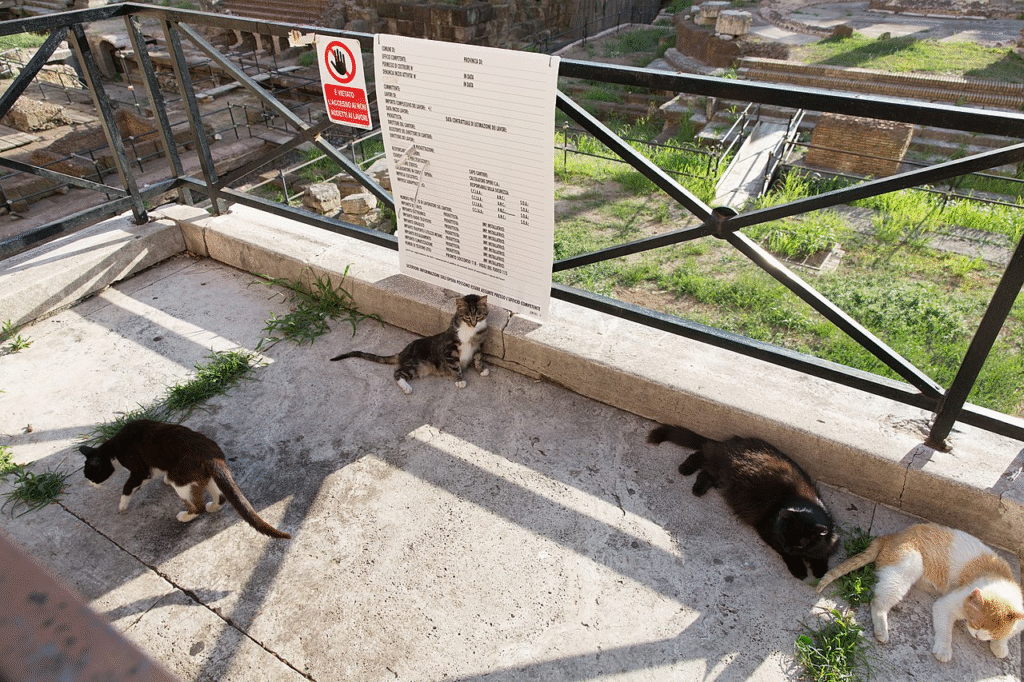
Rome’s Torre Argentina blends antiquity with compassion. Amid sunken ruins where Julius Caesar fell, cats sun themselves on mossy columns, cared for by a sanctuary since the 1990s. Over 100 residents lounge in the dappled shade, volunteers ensuring their well-being as tourists peer from above. The air holds echoes of empire, a mix of faint earthiness and bird calls that merges history’s weight with life’s gentle persistence. Interacting here feels timeless, a bridge between eras through shared guardianship.
Tommie Hansen.
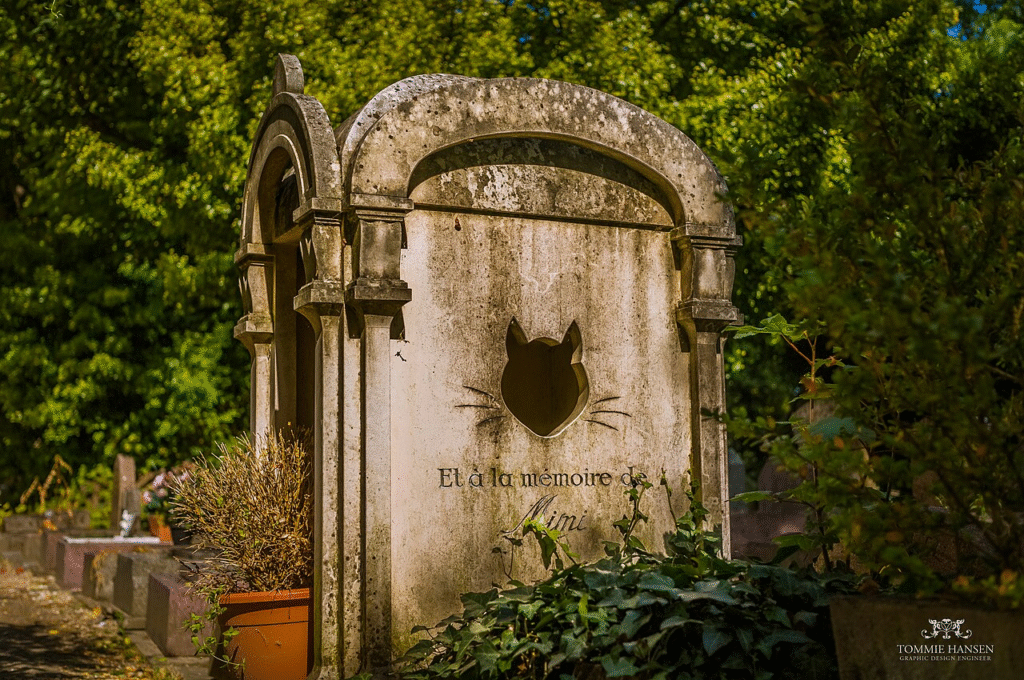
Finally, just outside Paris, France’s Cimetière des Chiens in Asnières-sur-Seine offers poignant closure. Established in 1899, this pet cemetery’s shaded avenues hold ornate tombs for beloved animals, many cats immortalized in inscriptions of devotion. Ivy-cloaked stones whisper under rustling leaves, the Seine’s murmur nearby. Though somber, the grounds radiate peace, honoring the profound human-pet ties that transcend time. It’s a place for quiet homage, where past affections linger like fading sunlight.
These destinations reveal cats not as mere pets, but as universal bridges connecting cultures through kindness and curiosity. Whether lounging in ruins or parading in costumes, felines remind us of joy’s simple forms. Pack your bags, and let these spots awaken your inner wanderer, one paw print at a time.