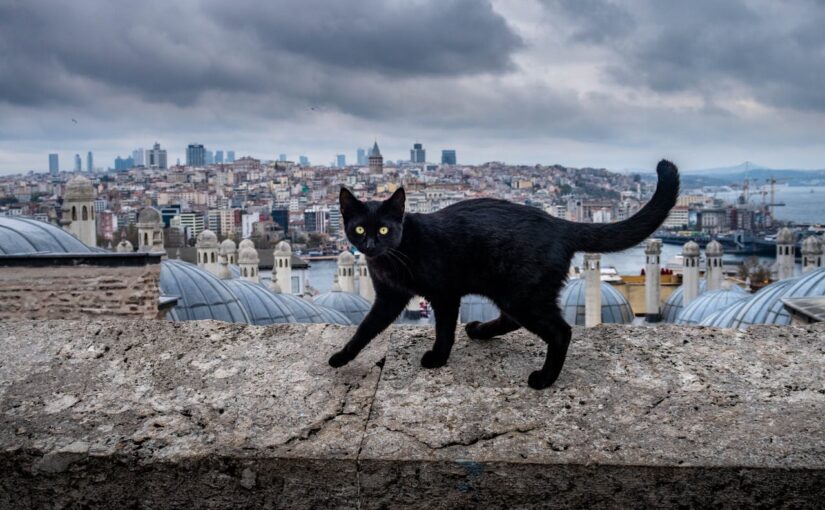
Few cities wear their personality quite like Istanbul. Perched dramatically across two continents, with the Bosporus slicing through its heart and connecting the Black Sea to the Sea of Marmara, this ancient metropolis has always been a place of crossings. Europe meets Asia here. The Mediterranean reaches toward the Black Sea. The past and present share the same cobblestones.
And wandering through it all, with an air of quiet authority, are the cats.
A City With Another Name
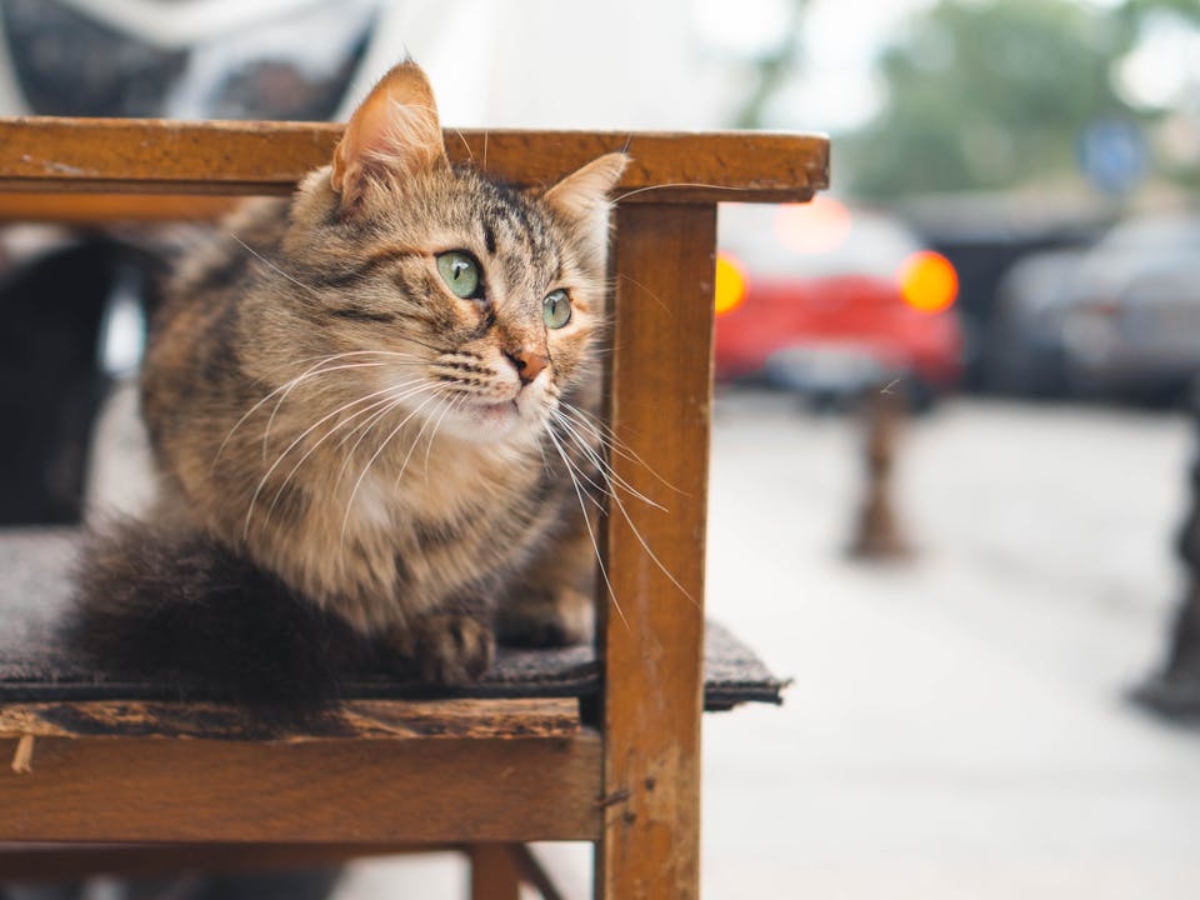
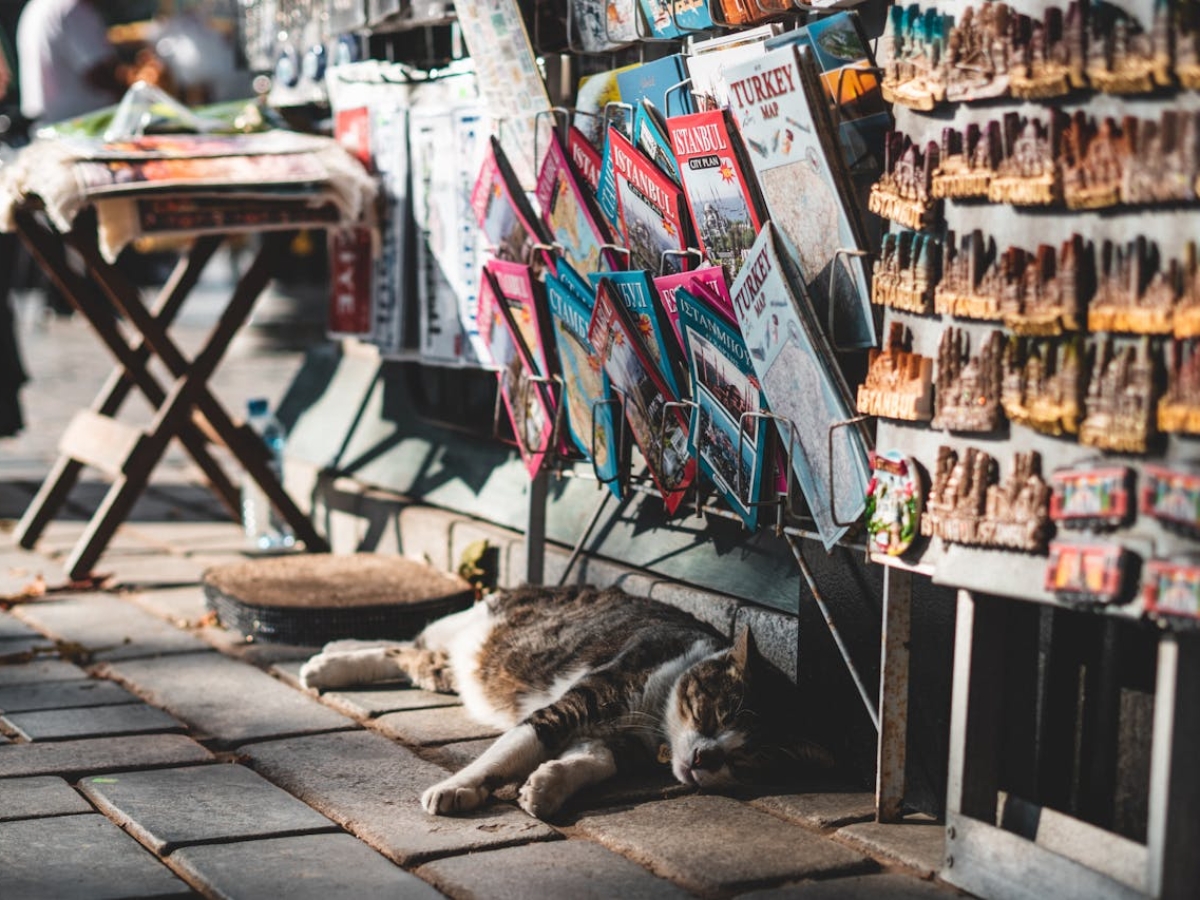
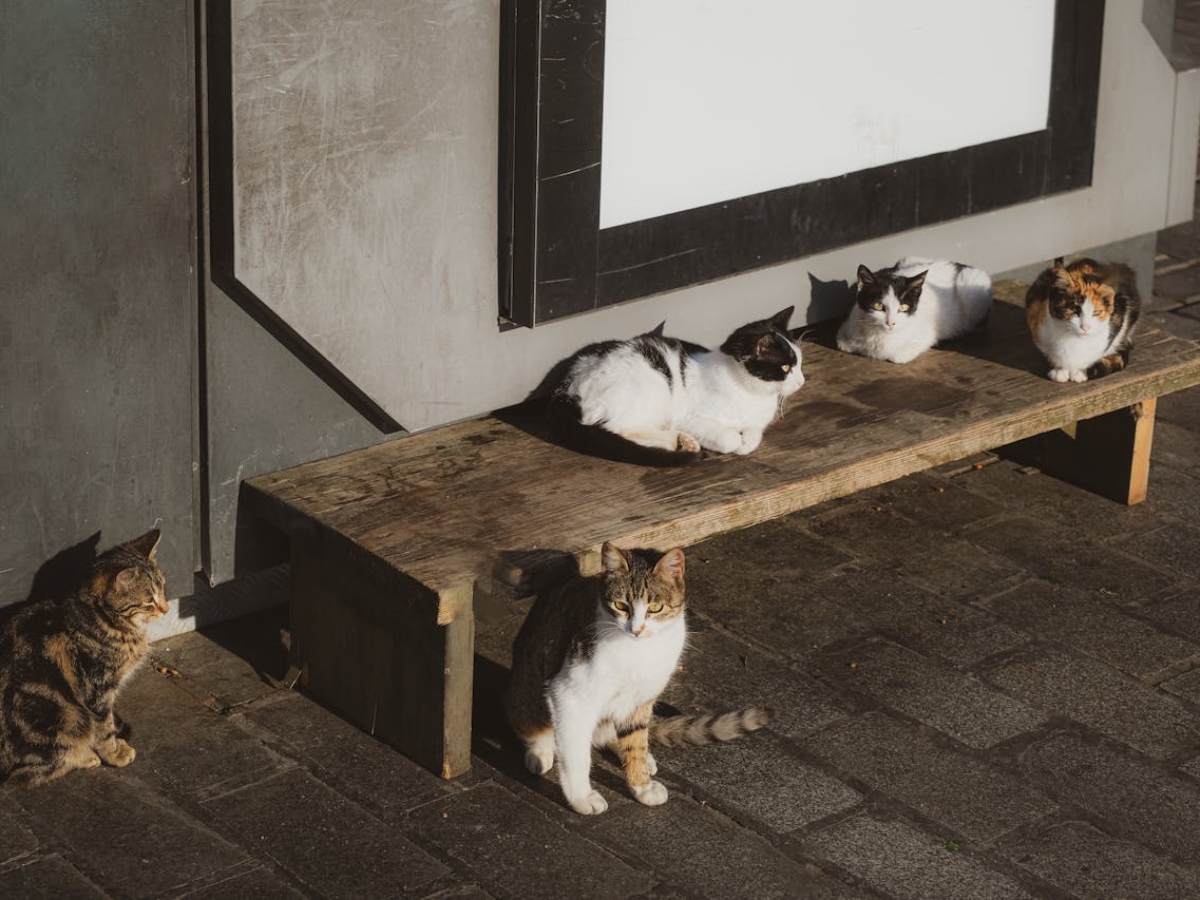
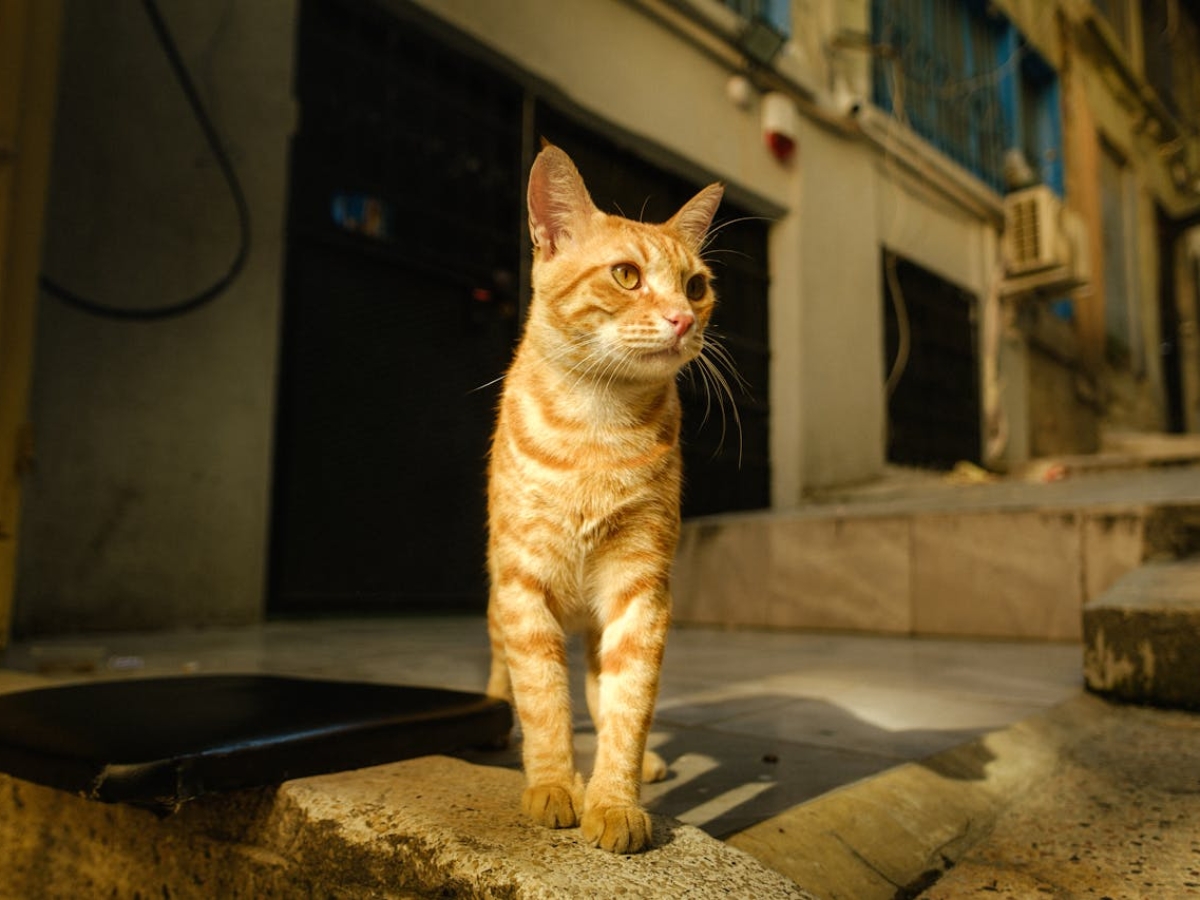
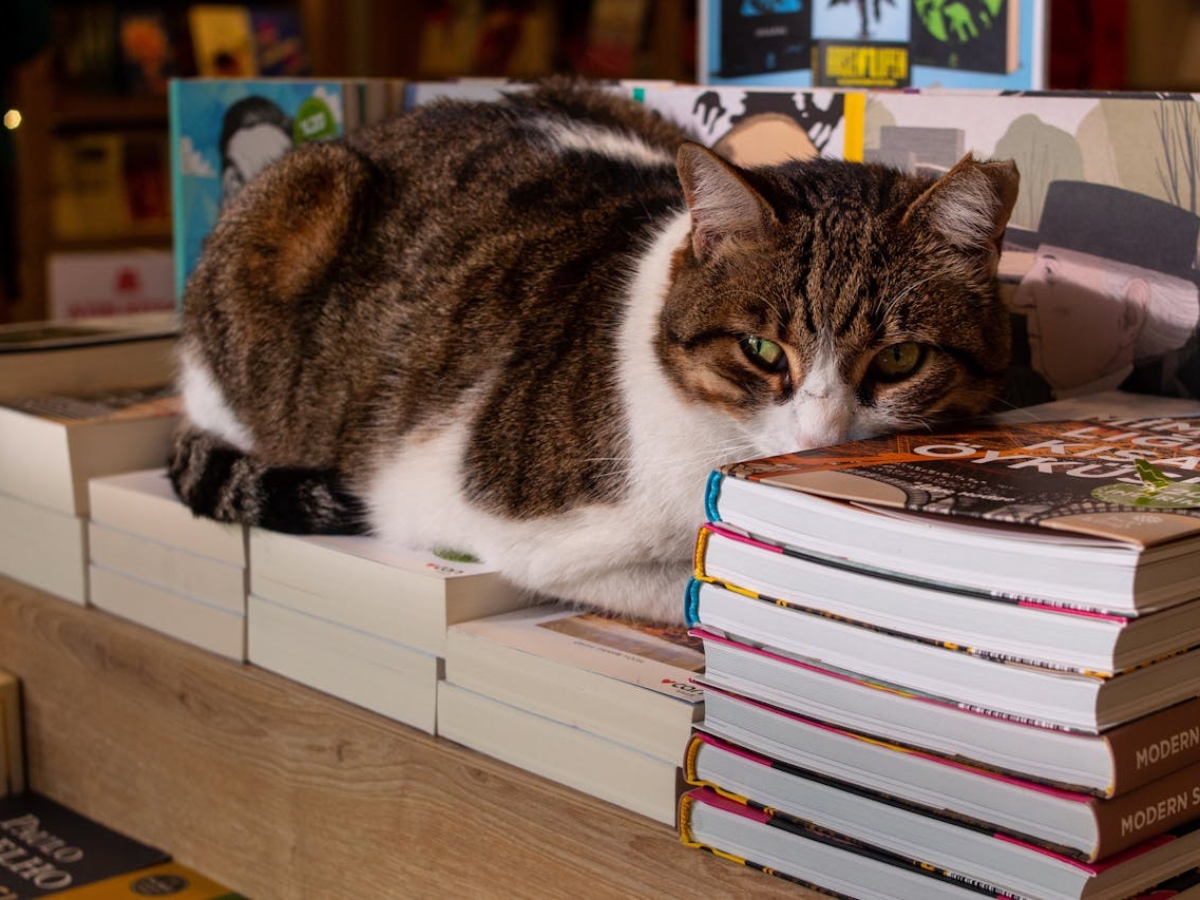
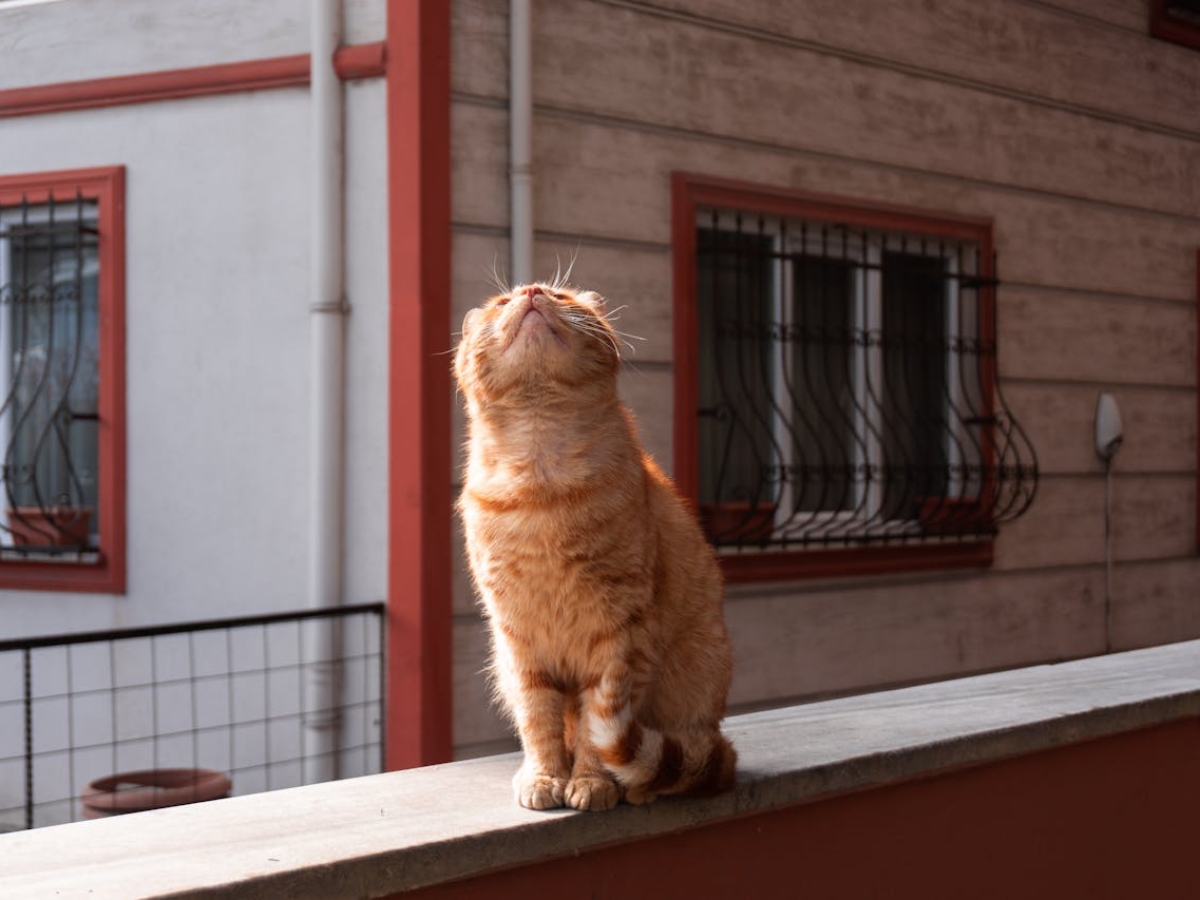
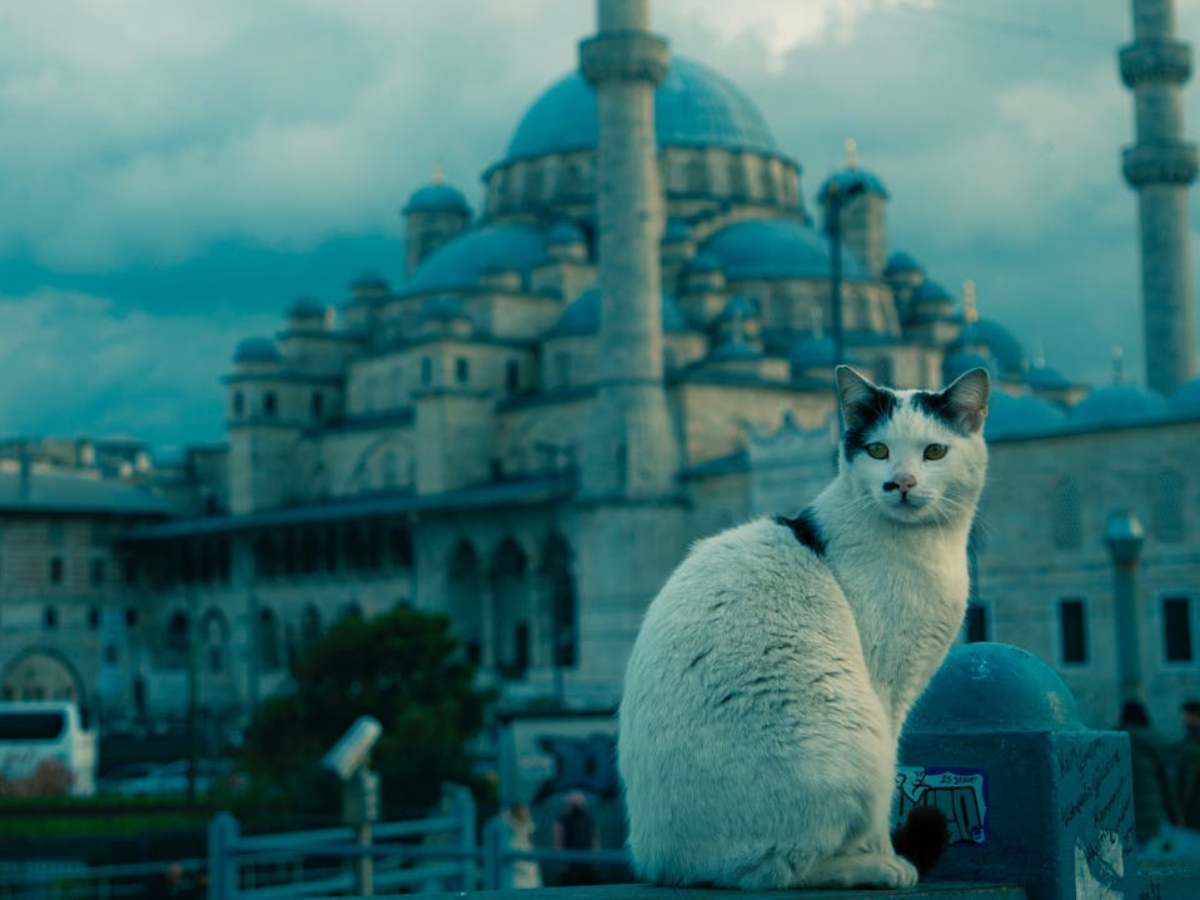
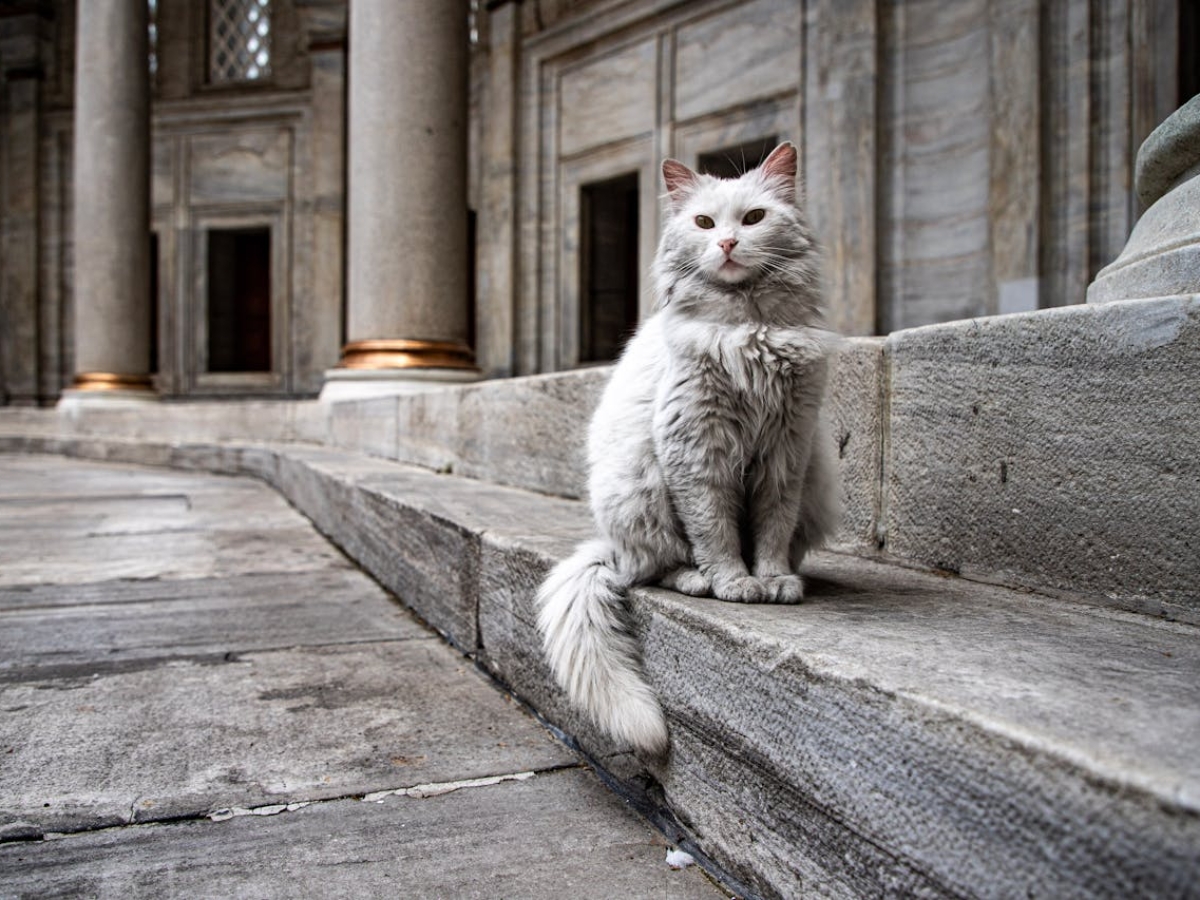
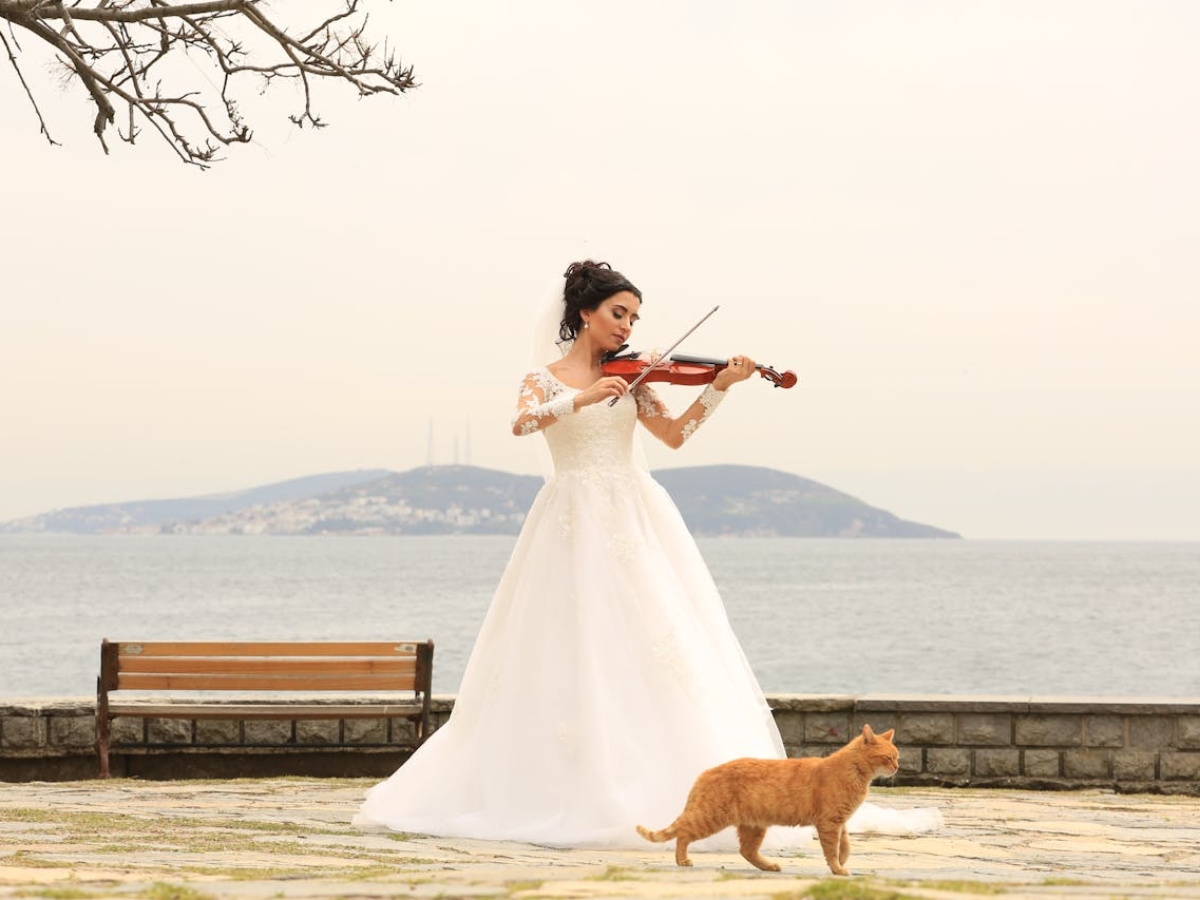
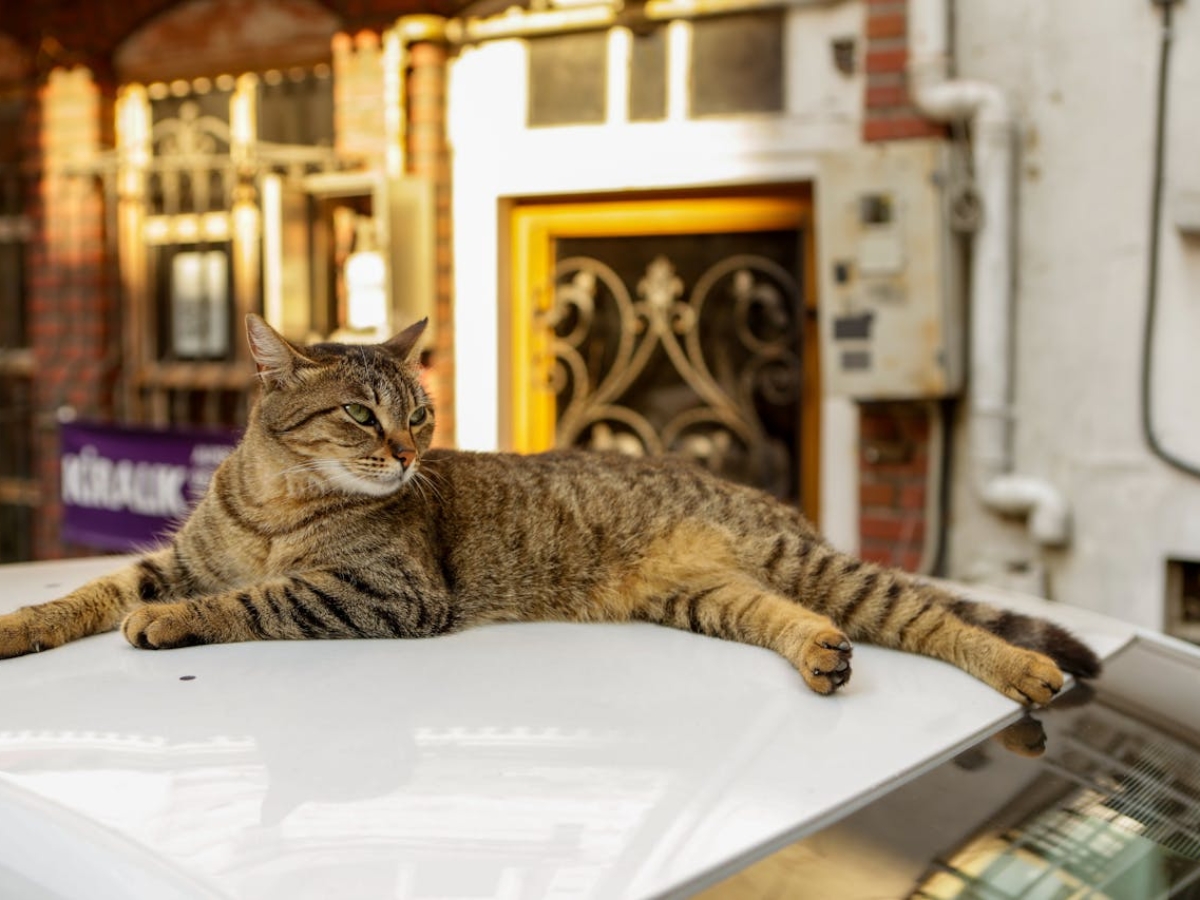
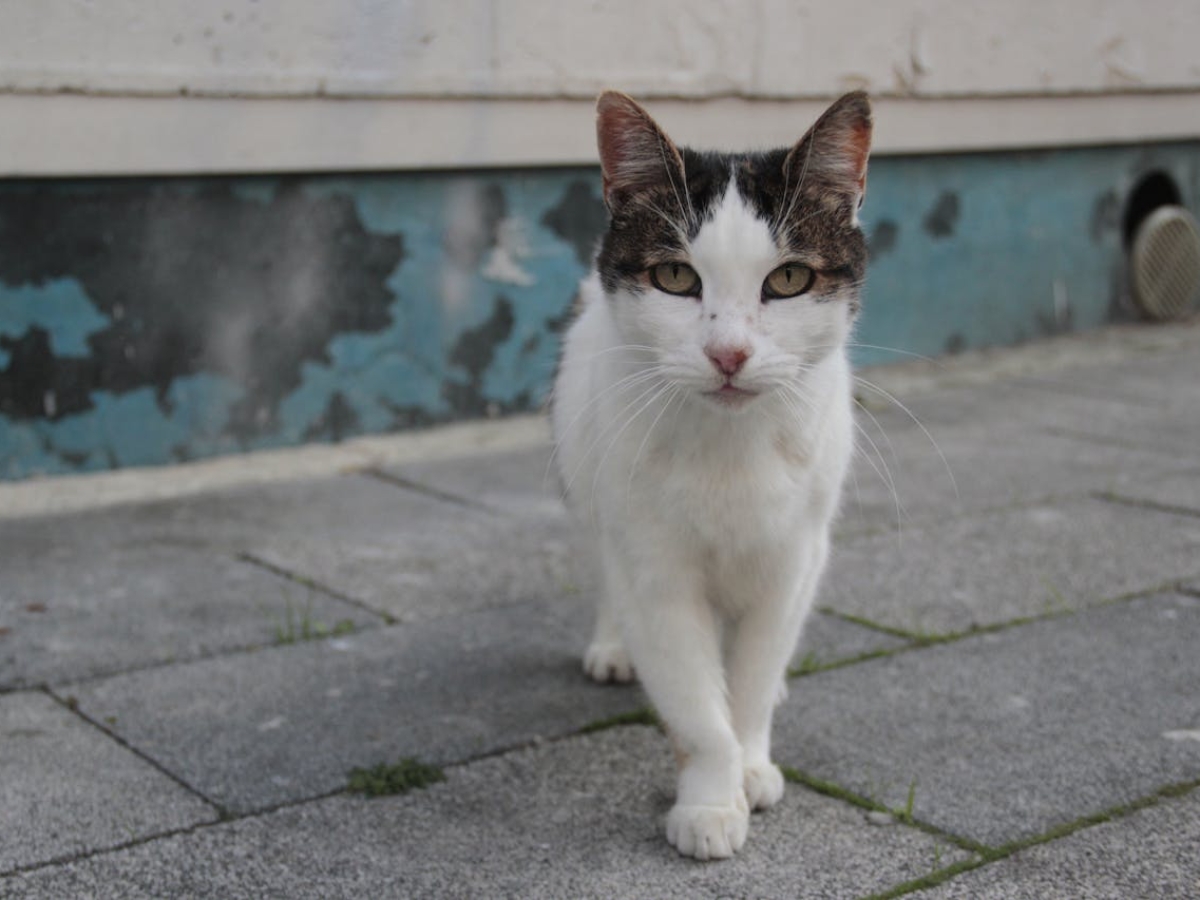
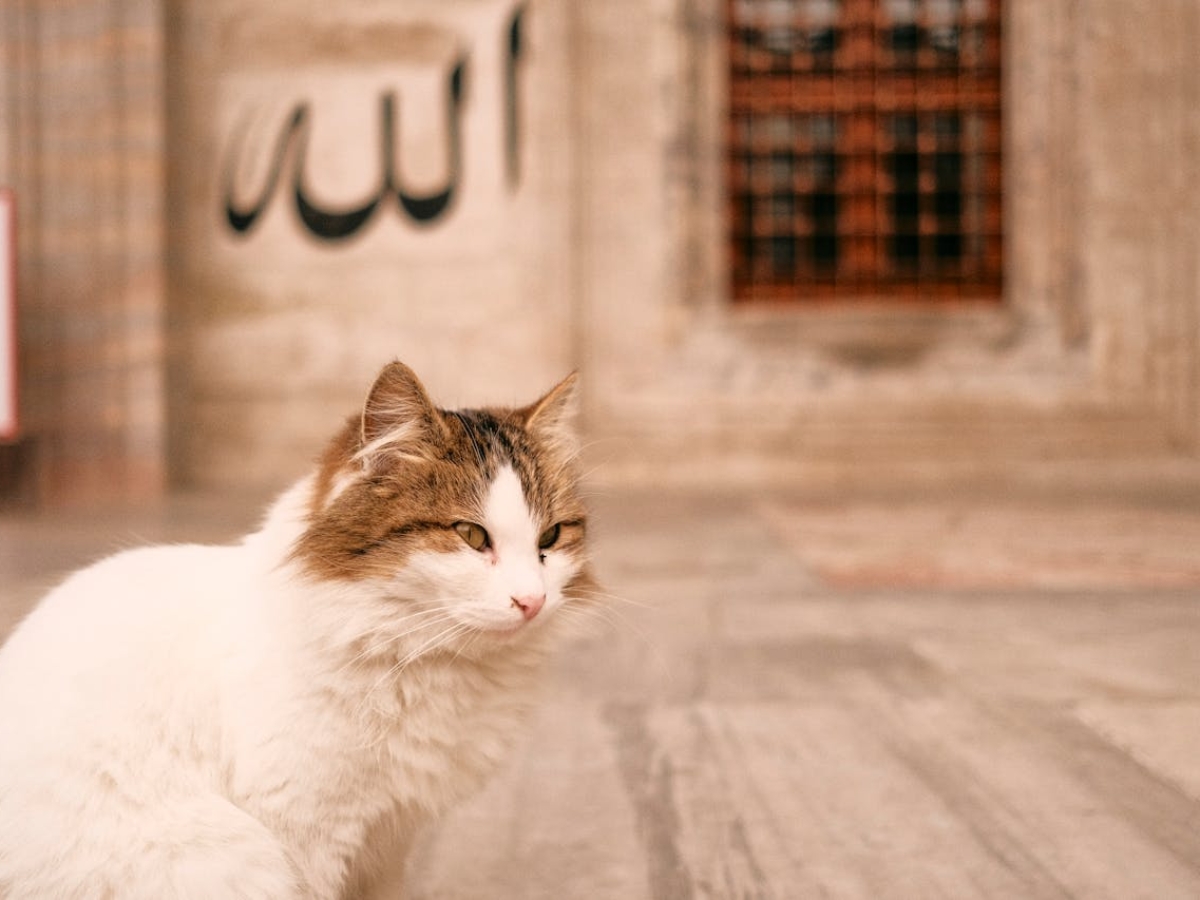
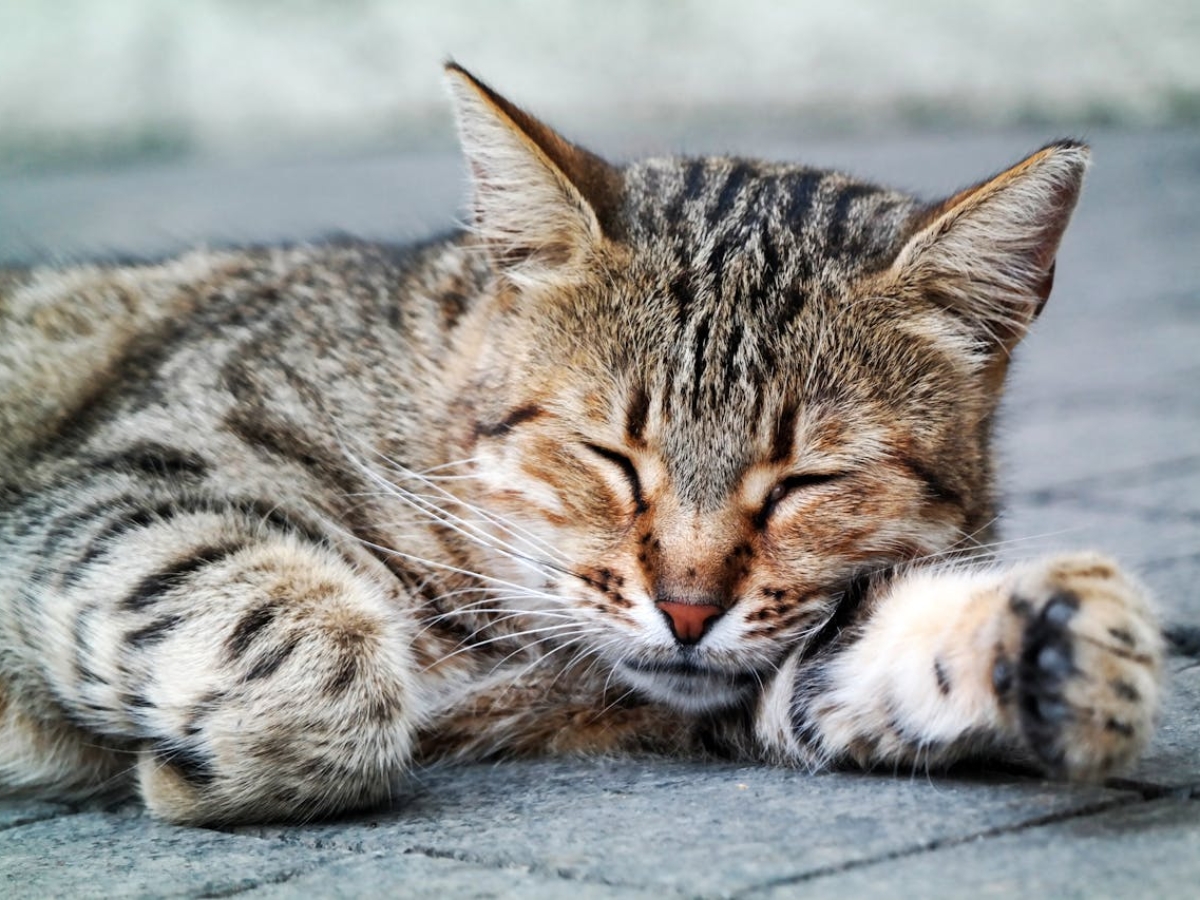
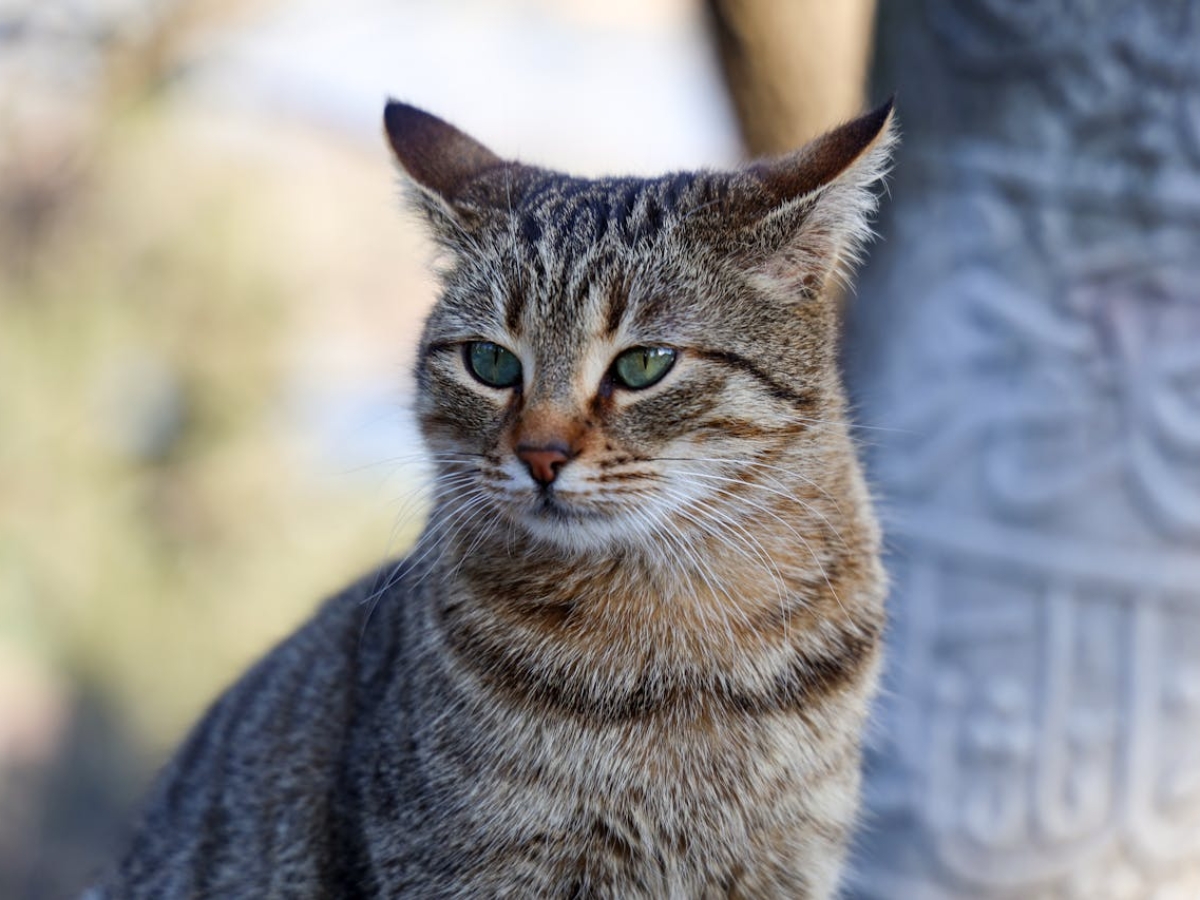
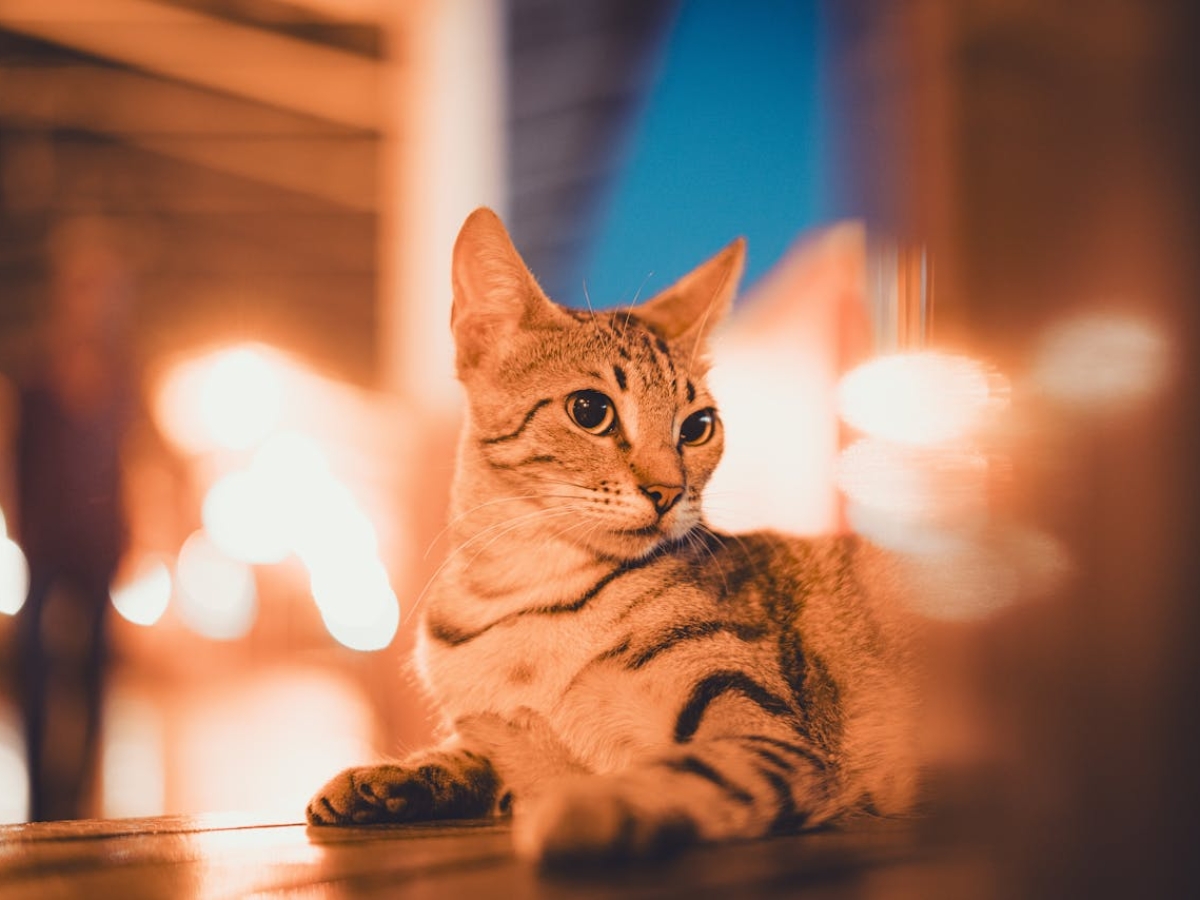
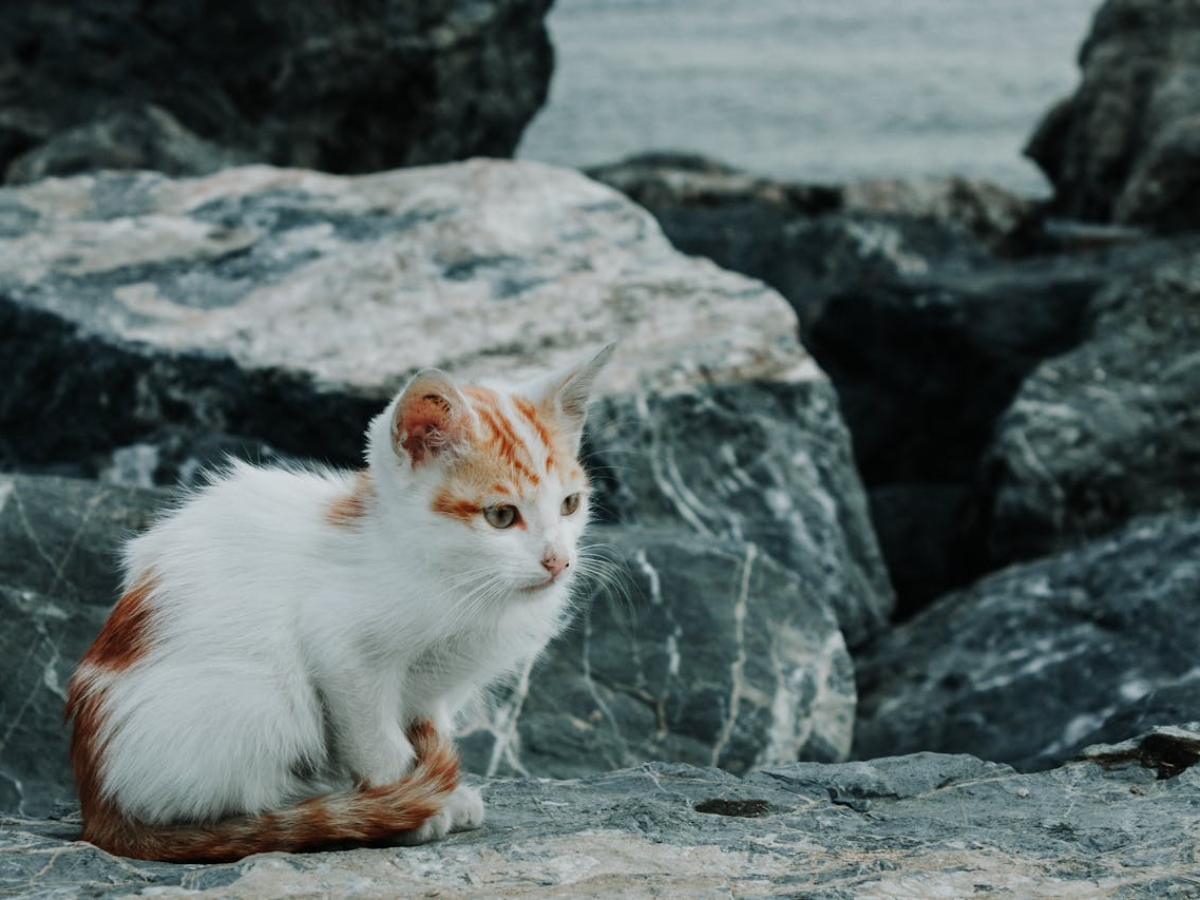
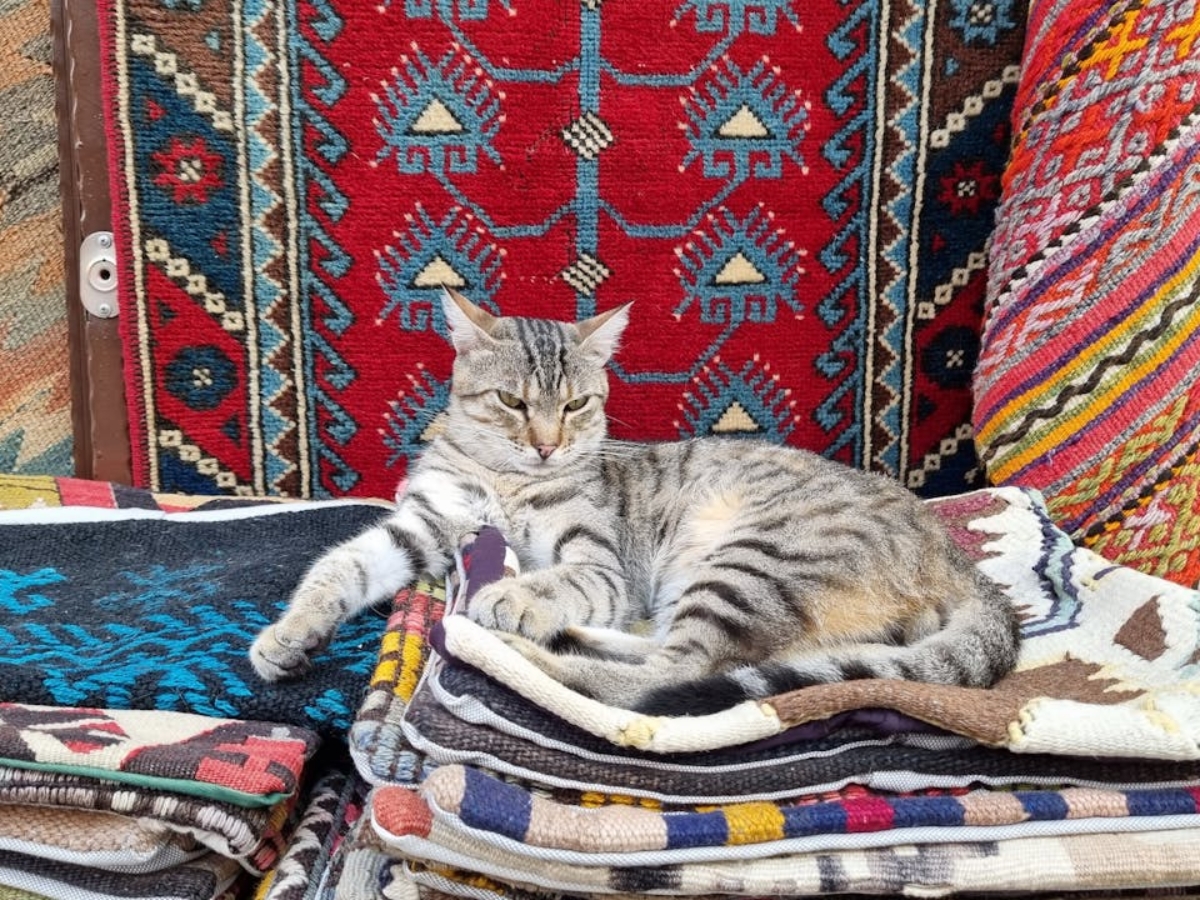
Locals and travelers alike have taken to calling it “Catstanbul,” and the nickname fits. Feral felines are everywhere in this city of 15 million people. Estimates put the stray cat population at around 100,000, though some believe the real figure could top a million. You’ll spot them stretched across park benches, curled into flowerbeds, perched on weathered stone walls, dozing outside mosques, napping by ATMs, or lounging at the entrances of metro stations and fish markets.
“Istanbul residents have a special relationship with their cats,” the city’s mayor, Ekrem İmamoğlu, once observed. It’s a quiet understatement for a bond that touches nearly every corner of daily life.
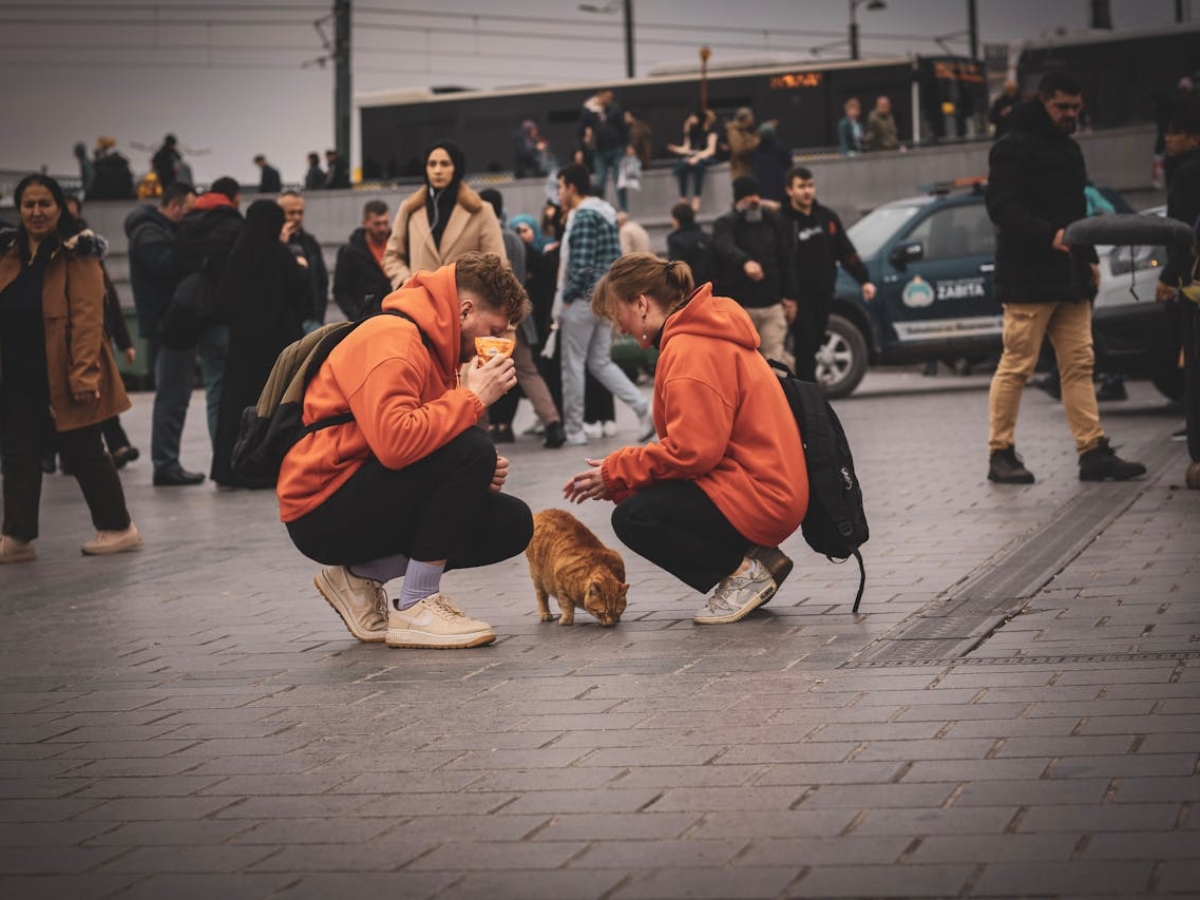
Rather than being chased off, these cats are fed, petted, photographed, and protected. Shopkeepers leave out small dishes of food. Street vendors sometimes hand tourists a scrap of fish or cheese instead of coins, calling it “friendship food.” Caring for the city’s strays isn’t charity here. It’s tradition, passed down through generations like a family recipe.

Cats, Faith, and a Prophet’s Kindness
The affection Istanbul shows its cats is woven deeply into Islamic tradition, where kindness to animals is considered a sign of a virtuous heart.
The stories surrounding the Prophet Muhammad and his cat, Muezza, are part of this cultural fabric. In one of the best-loved tales, Muhammad found Muezza sleeping soundly on the sleeve of his robe just as he was preparing for prayer. Unwilling to wake her, he simply cut the sleeve off and went on his way.
Another legend claims that Muezza once saved the Prophet from a venomous viper. In gratitude, he stroked her back three times, and from that moment, according to the story, every cat in the world was blessed with the ability to land on its feet.
These tales don’t appear in canonical Islamic texts, but they’ve survived for centuries as folklore, shaping how generations of Muslims view the humble house cat.
Sailors, Ships, and a Quiet Invasion
There’s also a more grounded reason Istanbul became so thoroughly feline. For centuries, this was one of the world’s great port cities, with hundreds of ships arriving daily from across the Mediterranean and beyond. Sailors kept cats on board to guard their food stores from rats and mice during long voyages. Some ships carried a single mouser. Others carried ten.
When the ships docked in Istanbul, a few cats inevitably jumped ship, literally, and wandered off into the alleys. They never came back. Generations later, their descendants still patrol the same narrow streets.
Ottoman Wood and the Guardians of Manuscripts
Istanbul’s cat culture stretches back through the Ottoman centuries, when most homes were built of timber. Wooden houses meant abundant hiding places for rodents, which meant cats weren’t just tolerated. They were essential. Households relied on them to protect food, possessions, and, perhaps most importantly, written material.
Before printing presses reached the Ottoman world, rare manuscripts and historical documents were constantly at risk from gnawing teeth. Cats became unofficial librarians, keeping vermin away from the fragile paper that carried the city’s intellectual life. You can find them in old artwork too, curled at the feet of scholars and poets, as much a part of the scholarly world as ink and parchment.
The historian’s account of 19th-century American poet Bayard Taylor captures this beautifully. While traveling through Syria, Taylor was stunned to visit a hospital where cats roamed freely, all of them cared for through a waqf, a charitable endowment that paid for their food, their medical care, even the janitor’s wages. At the same time in much of Europe, cats were being persecuted, killed by papal order, and sometimes even eaten.
Clean Enough for the Mosque
In Islamic tradition, cats are considered ritually pure. They’re allowed inside homes and mosques, including Mecca’s sacred Masjid al-Haram. Food that a cat has tasted remains halal. Water a cat has drunk from can still be used for wudu, the ritual washing Muslims perform before prayer. Few animals enjoy such a privileged spiritual status.
Gli: The Cat Who Lived in Hagia Sophia
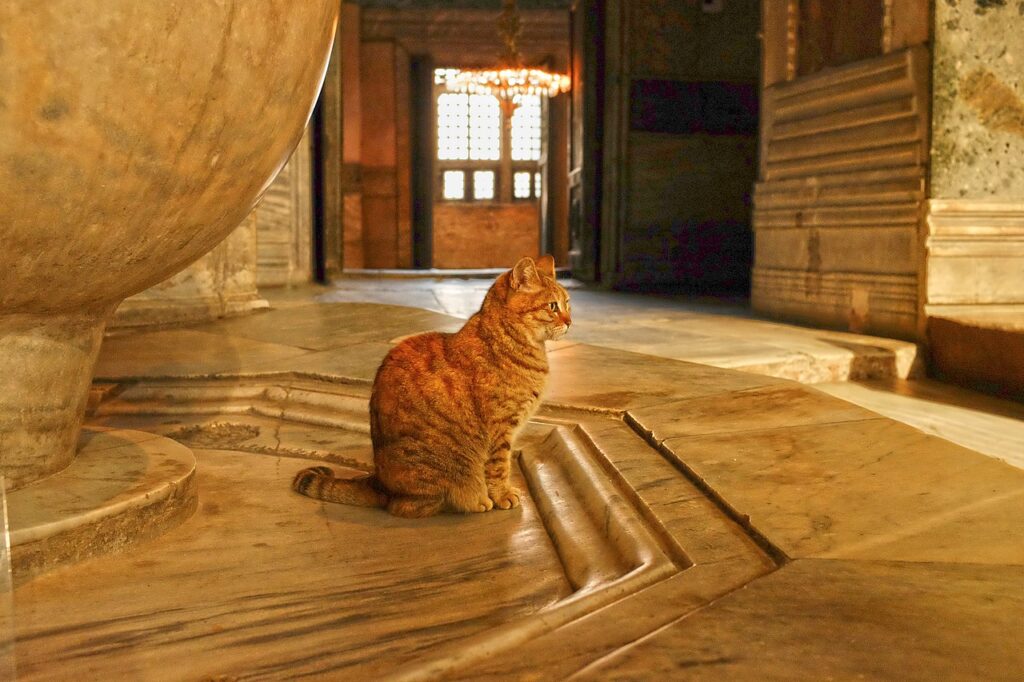
No story captures the spirit of Catstanbul quite like that of Gli, the Turkish-European Shorthair who spent her entire life inside Hagia Sophia.
Born in 2004 to a mother named Sofia, alongside her siblings Pati and Kizim, Gli grew up beneath the soaring domes and golden mosaics of one of the world’s most famous buildings. She had green-gold eyes, a gentle disposition, and a peculiar comfort around strangers that made her a living attraction in her own right.
When Hagia Sophia was reopened for Muslim worship in 2020, Gli’s fame exploded. Her Instagram account, @hagiasophiacat, drew more than 118,000 followers. She was photographed being petted by Barack Obama. Recep Tayyip Erdoğan stroked her fur during official visits. She had one kitten of her own, a jet-black cat named Karakiz.
Gli died later that same year, after receiving veterinary care in Levent. She was buried in the gardens of Hagia Sophia, the only home she had ever known. Visitors still ask about her.
A City That Belongs to Its Cats
What makes Istanbul’s cats so remarkable isn’t just their numbers, or their history, or the religious tradition that protects them. It’s the feeling you get walking the streets, that these animals belong here in a way that few city creatures do anywhere else in the world. They aren’t pests to be managed or pets to be owned. They’re residents. Neighbors. Small, purring pieces of a city that has made room for them across empires, earthquakes, and revolutions.
Visit Istanbul once, and you’ll understand. The humans may have built the city. But the cats, quietly and completely, have made it theirs.
Mediafiles: Сергей Crab Lens Emrah Nas Hkn clk Cihat Dede yavuz gündüz serhat erdogan Onur Esra Erdoğdu Şahin Sezer Dinçer Emir KANDİL fahri tokcan Mahmut ……. Serhat Aktepe Samet Çolakoğlu Rasul Yarichev Tolga Erbay Ege Gür Adel KRIM Kaan Keskin Safa Hovinen Sururi Ballıdağ Director.